
Category: Nature
-
Freshwater Eel
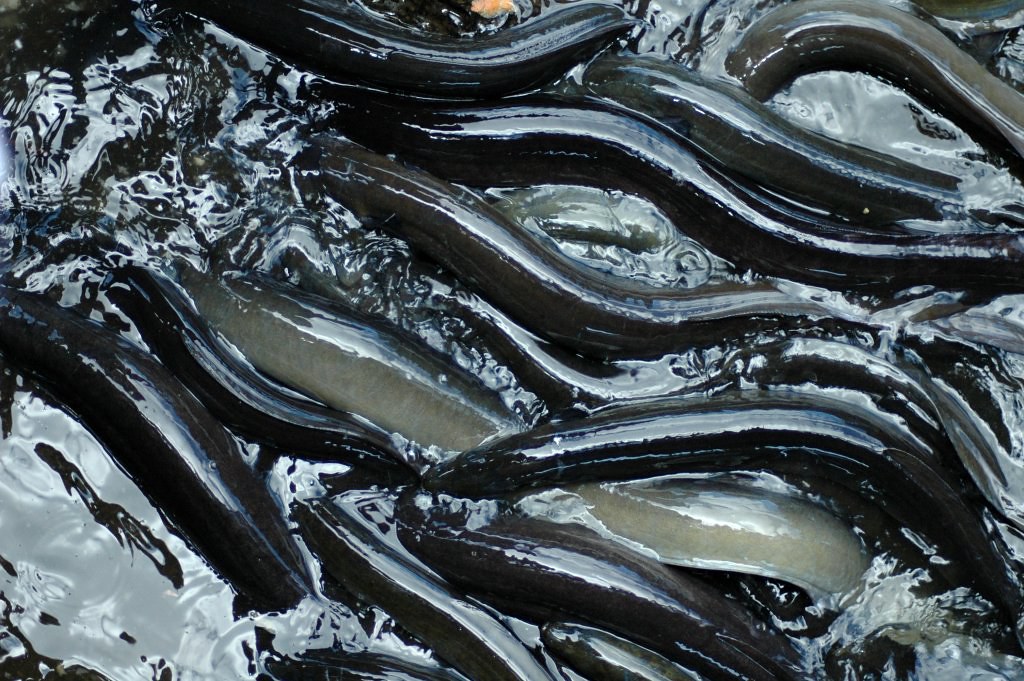
Freshwater eels, vital to the eel food industry, are important in various cuisines. They face threats in some populations, so caution is advised. Eels exhibit diverse migration patterns and life stages. Their scientific classification and numerous species showcase their global presence, significance, and vulnerability.
-
Brown Bear

Brown bears, also known as grizzlies in America and Kodiak bears in Alaska, are found in North America, Europe, and Asia. Their taxonomy is complex, with genetic testing proving most reliable. The bears vary in color and size, with mating occurring from May to July. They are omnivorous, with a primarily vegetable-based diet, and can…
-
Elk
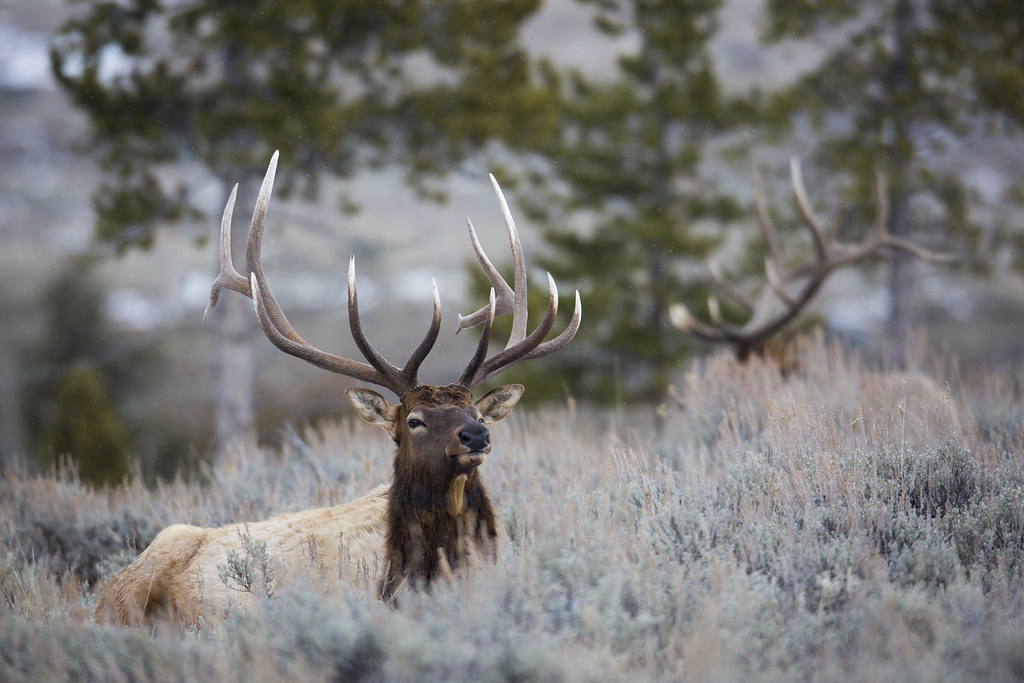
The elk, also known as the wapiti, is a large member of the deer family found in North America and Asia. Research revealed that most American elk are related and can be placed into one or two subspecies. They are known for their large antlers, grazing habits, and the commercial use of their antler velvet.…
-
Humpback Whale
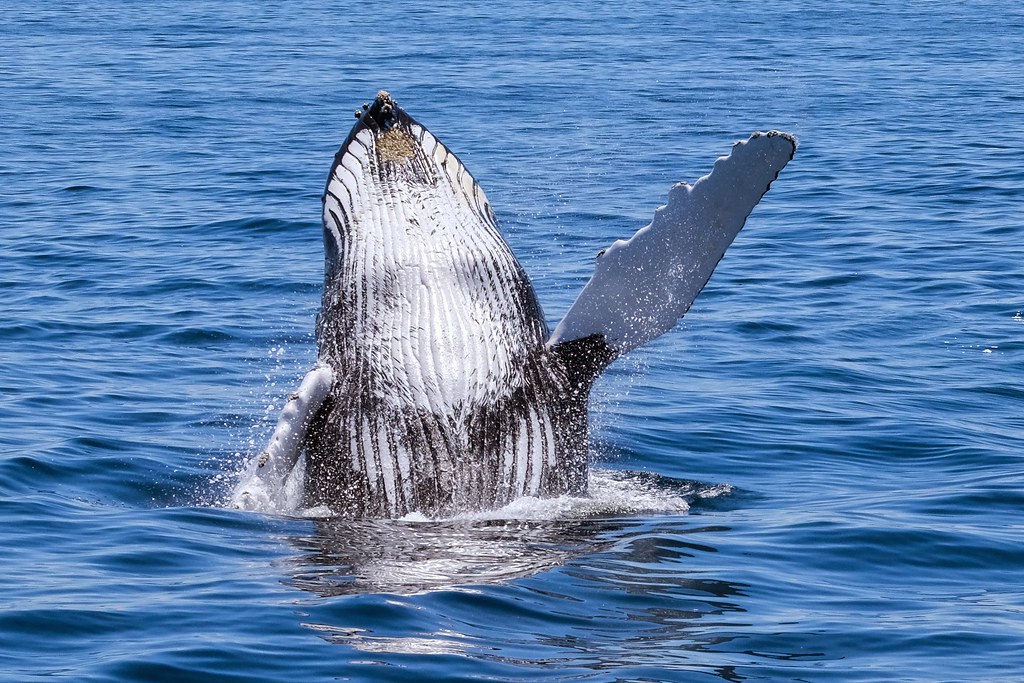
Humpback whales, part of the Rorquals, are the largest creatures in the Balaenopteridae family. Genetic research reveals southern humpbacks are evolving separately. Females are larger than males, reaching up to 50 feet. Their large pectoral fins aid in migration, and they feed mainly on krill and small fish. Conservation efforts have uplifted their status.
-
Crocodile
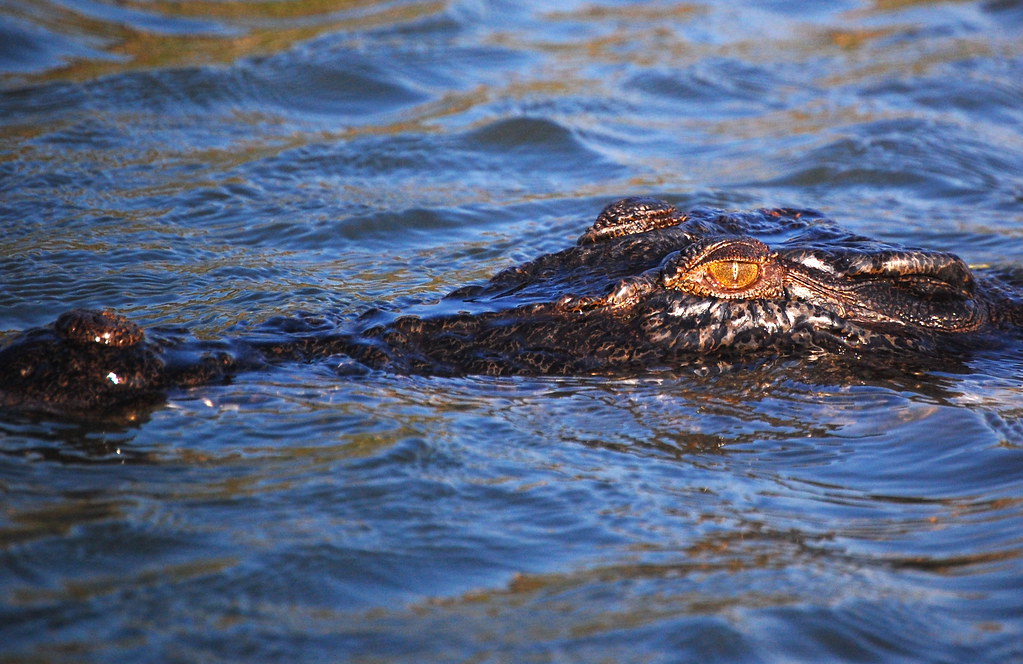
Crocodiles, members of the Crocodylidae family, are not to be mistaken with caimans and alligators. Crocs, Inc., established in 2002 and listed on the Nasdaq as CROX, manufactures foam clogs. The origin of the term “crocodile” can be traced back to its Ancient Greek and Roman roots. These sophisticated reptiles boast unique characteristics, including a…
-
Camel
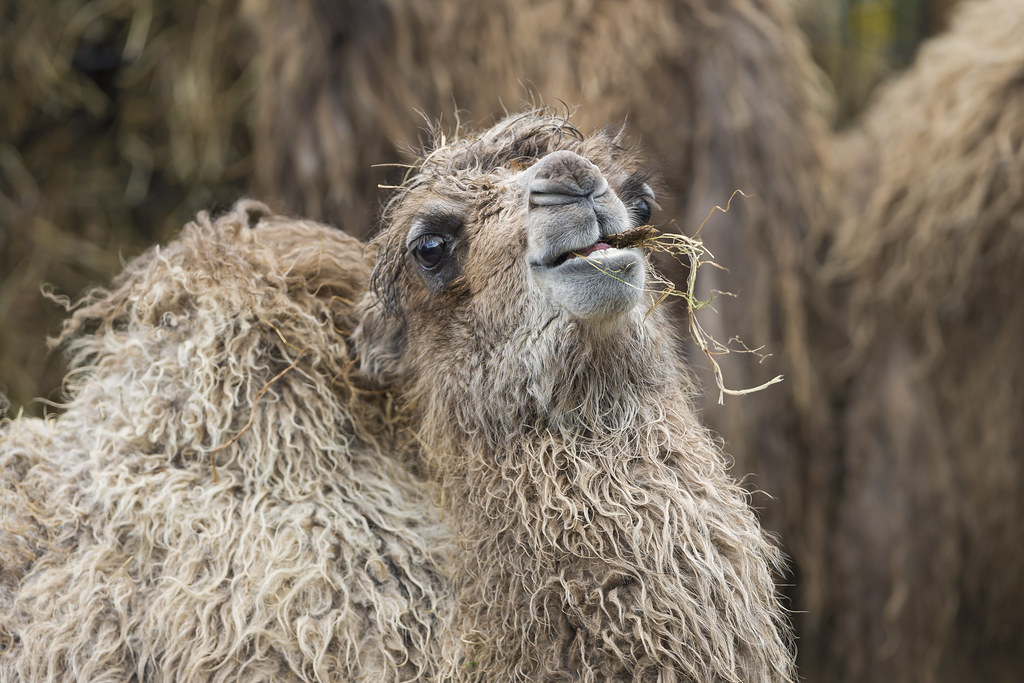
Camels, from the Camelus genus, have unique humps made of fatty deposits on their backs. They’re domesticated for milk, food, and transportation. The Latin word “Camelus” and the Greek term “kamēlos” constitute their name. With unique adaptations, they can survive in extreme conditions and are used for racing. The Bactrian camel is critically endangered.
-
Gorilla

Gorillas are African apes, herbivores mainly eating plants. The first Western gorilla was logged in Liberia in 1847. All gorilla species are critically endangered. They live in various habitats and have distinct characteristics. They rarely drink water and their diet consists mostly of plants. Gorillas live in troops led by a silverback.
-
Fox
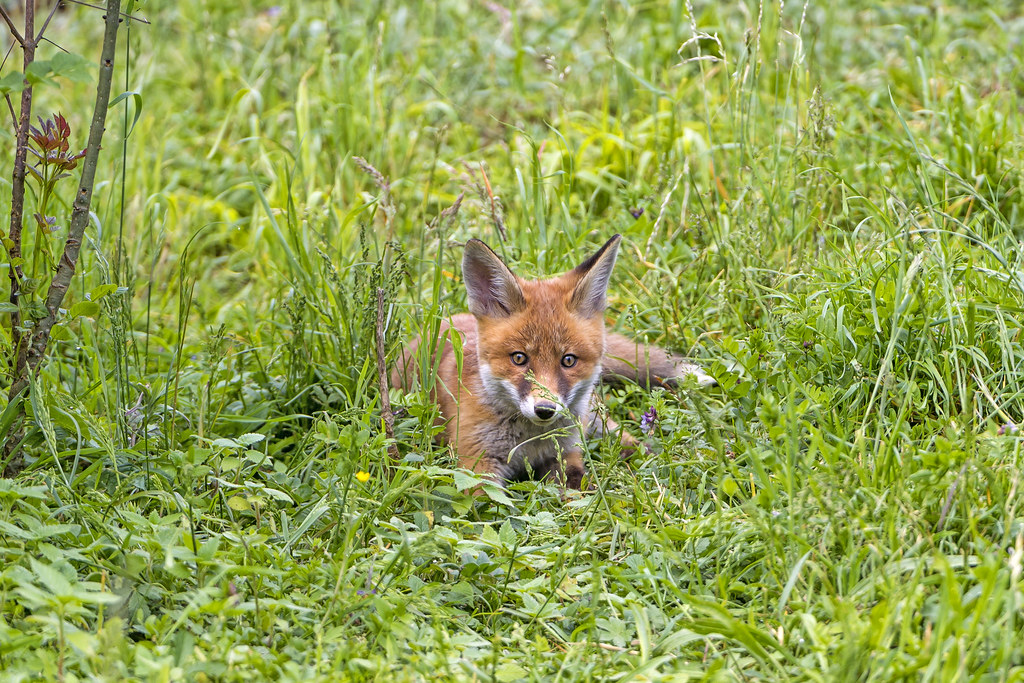
Foxes are diverse omnivores and mammals, excluding Antarctica. The red fox is the most common, with various subspecies. They have different names based on gender and age, and are known for their cunning. Their fur varies in length and color depending on the species, and they have unique characteristics for different environments. Foxes have a…
-
Black Bear

The American black bear, native to North America, is the continent’s most common bear with the largest habitat. The species is least-concerned, with broad heads, nimble paws, and sharp senses. Their diverse diet, reproduction, and scientific classification are detailed, along with their various subspecies. Despite their power, they avoid human contact.
-
Python
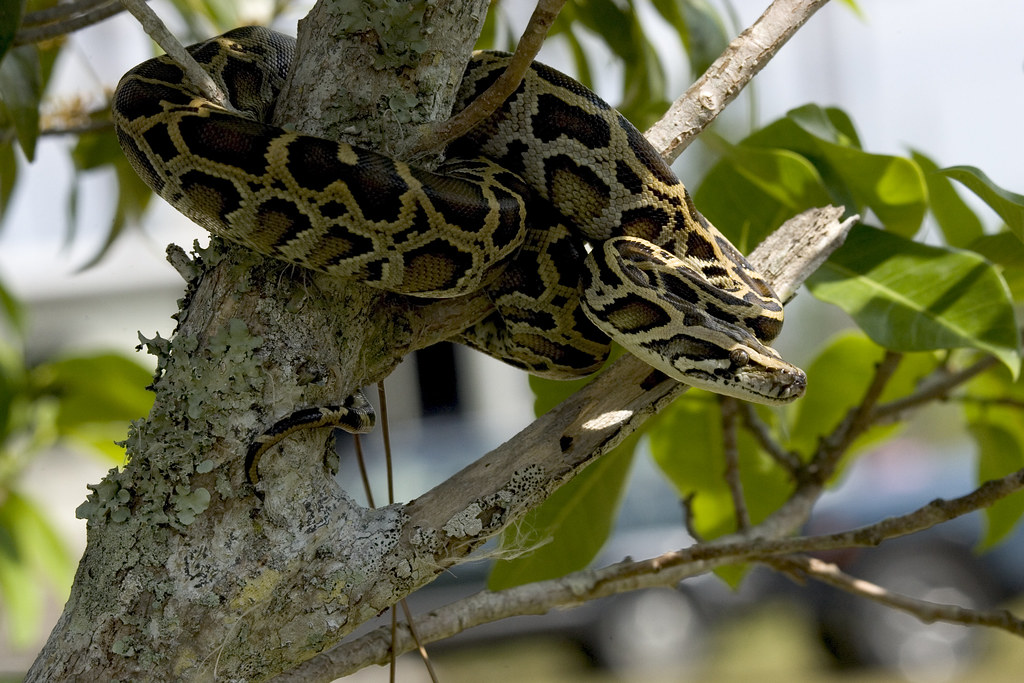
Pythons, nature’s “constriction workers,” belong to the Pythonidae family and are found in the Eastern Hemisphere. The programming language Python, created by Guido van Rossum, emphasizes readability and is used for diverse projects. Indian and Burmese pythons, and Ball pythons from Africa, vary in size and habitat, facing threats like habitat loss and invasive population…