
Category: Nature
-
Anaconda
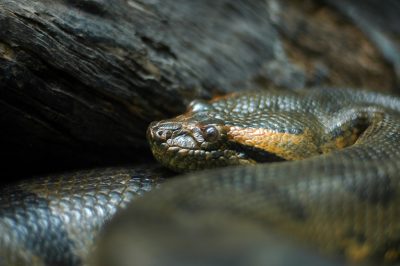
The green anaconda, also known as Eunectes murinus, inhabits the Amazon and adjacent regions. This heaviest snake species feeds on a variety of animals, not humans. Its habitat and behavior, such as mating and reproduction habits, have piqued the interest of many, inspiring portrayals in popular culture despite negative reviews of related films.
-
Jaguar

Jaguars are the third largest cats, inhabiting tropical and subtropical forests, controlling prey population. Their coat varies in color and pattern, and they prey on various species, using ambush tactics. Males reach up to 350 pounds and have longer territories than females. The species is threatened due to habitat loss and hunting.
-
Polar Lights

Polar Lights, also known as auroras, present a natural and captivating light show in the polar regions. The colors vary based on altitude and elemental compositions. Observations and historical references contribute to our fascination with these phenomena, which are caused by solar wind interacting with the Earth’s magnetosphere, creating stunning light displays.
-
Polar Bear
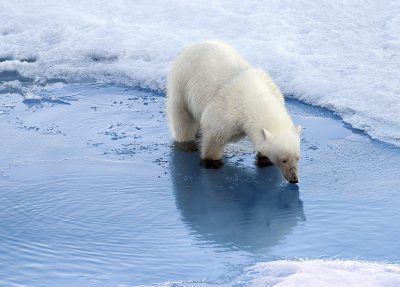
Polar bears, the largest land predators, reside in the Arctic and rely on seals as their primary food source. With a keen sense of smell, these carnivores can detect seals from a mile away. Despite their vulnerability due to climate change and human activity, they continue to thrive in their habitat.
-
Purple-tailed Imperial pigeon

The Purple-tailed Imperial pigeon is a majestic bird found in New Guinea. They are essential to the ecosystem as frugivores, spreading tree seeds. With their royal appearance and unique nesting habits, they play a crucial role in the forest habitat. Despite being camera shy, they are not endangered, providing a sense of relief for their…