
Category: Animals
-
American Badger
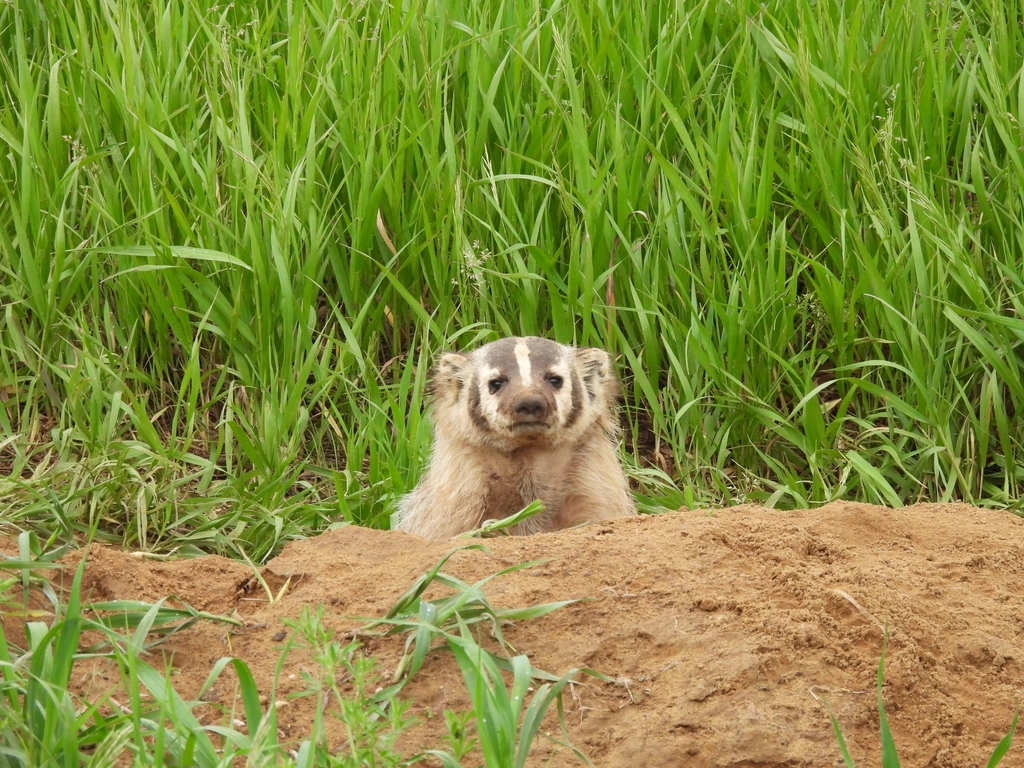
The American badger is a specialized carnivore adapted for hunting underground prey across North America’s open landscapes. With a compact body and powerful claws, it excavates burrows to access rodents and modifies the ecosystem through its digging. Solitary and flexible, badgers thrive in diverse habitats despite human-induced changes.
-
Warthog
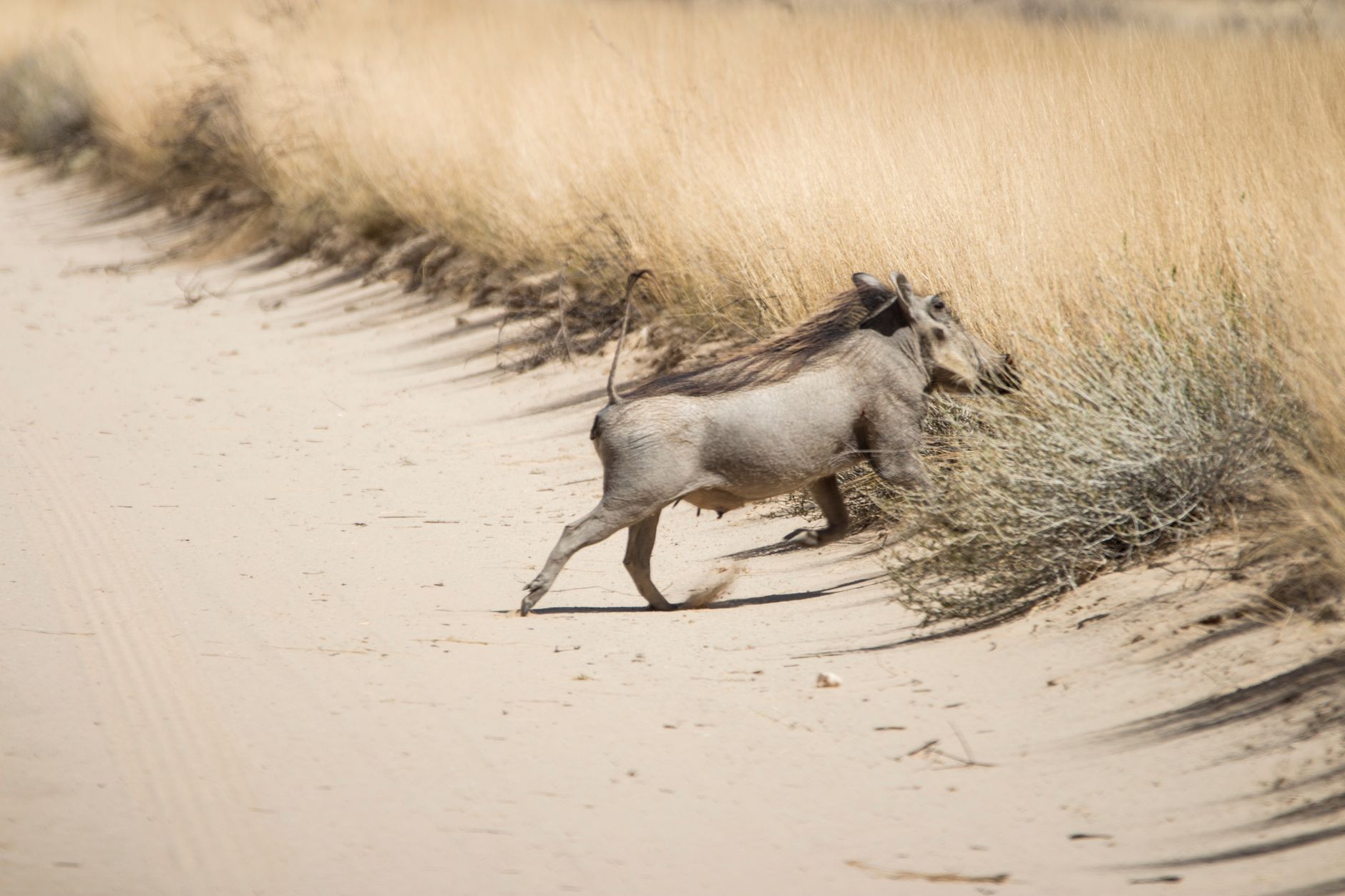
Warthogs, distinctive African mammals, have evolved for survival in open grasslands and savannas. They display unique adaptations such as a kneeling feeding posture, elongated limbs for speed, and specialized tusks. Primarily grazers, they play essential roles in their ecosystem, participating in nutrient cycling and providing shelter through burrows. Their resilience and ecological significance highlight their…
-
Crow
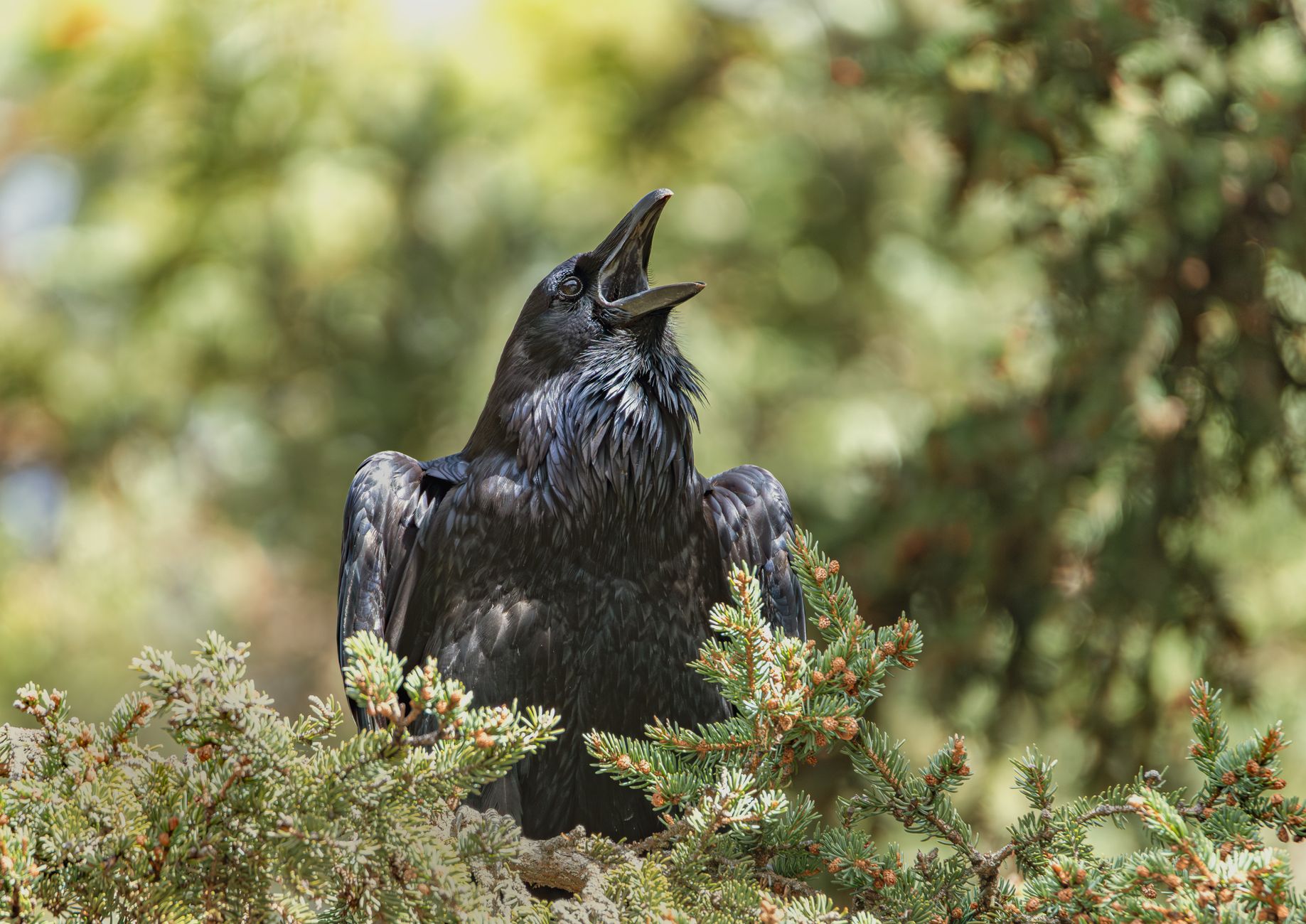
Crows, members of the genus Corvus, exhibit remarkable intelligence and adaptability across various environments worldwide, except in South America and Antarctica. They display complex social structures, tool use, and problem-solving capabilities, reshaping perceptions of animal cognition. As opportunistic omnivores, they play crucial roles in ecosystems while thriving alongside human societies.
-
Siberian Tiger
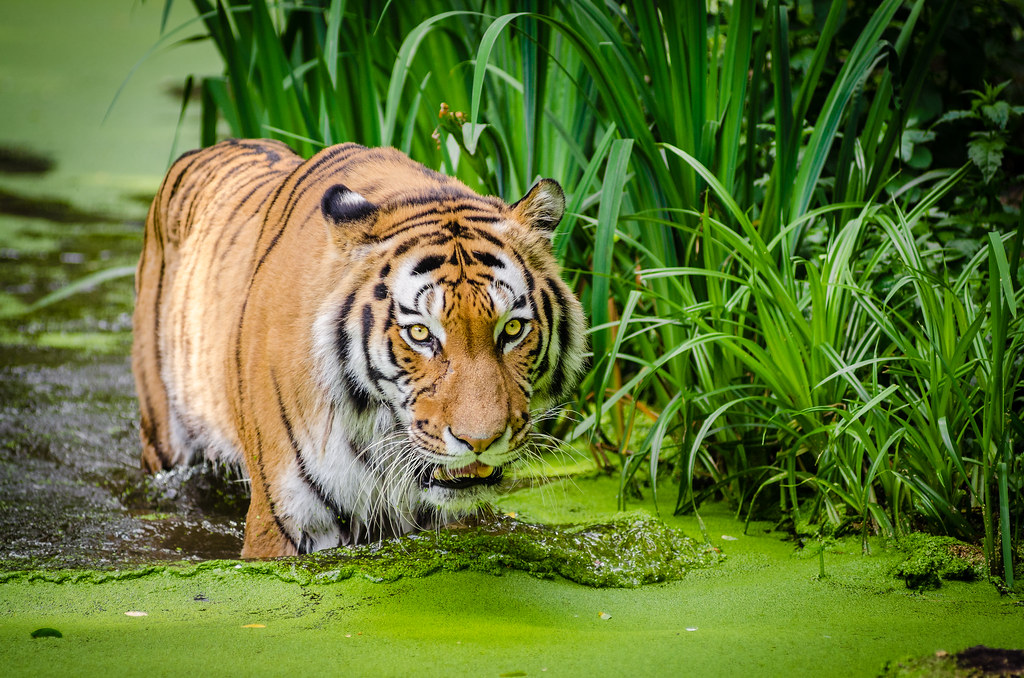
The Siberian tiger, the largest living cat, thrives in the temperate forests of the Russian Far East, relying on patience and adaptability for survival. Known scientifically as Panthera tigris altaica, it exhibits characteristics shaped by harsh climates. Essential adaptations, behaviors, and ecological interactions drive its solitary existence and territorial dynamics within fragmented habitats.
-
Brown rat
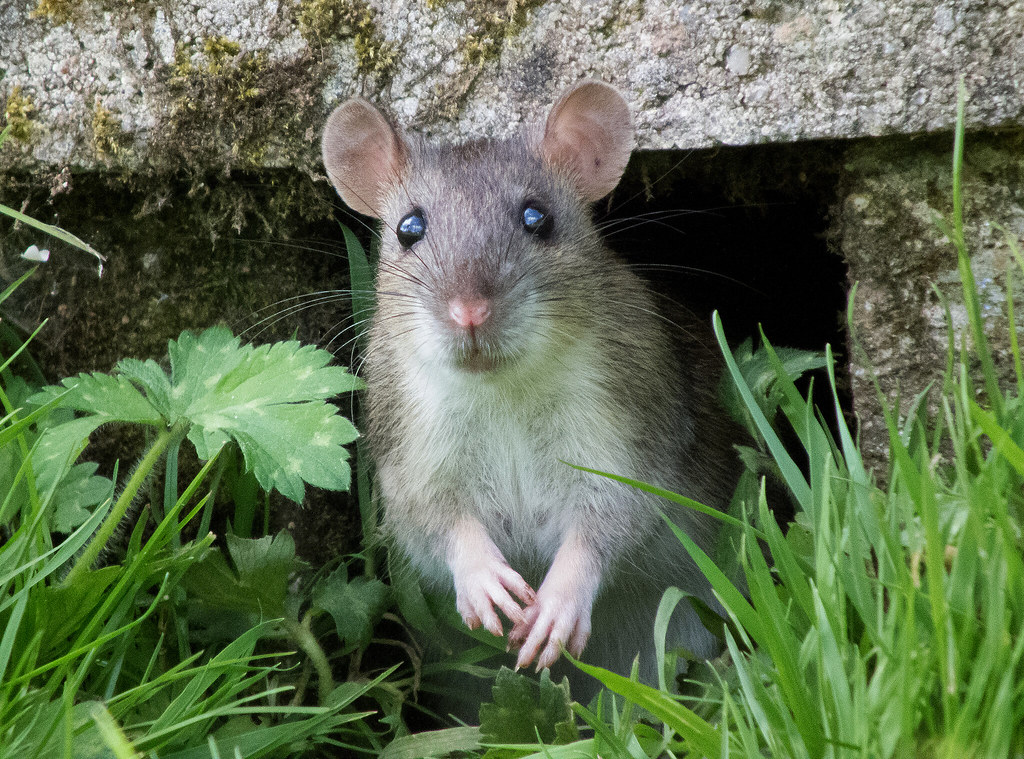
The brown rat, also known as the common, sewer, street, wharf, or Norwegian rat, has origins in China, not Norway. They have a keen sense of smell and hearing, unique vision, and exhibit complex behaviors such as laughter-like vocalizations. These proficient diggers and prolific breeders are true omnivores, facing natural checks on their rapid proliferation…
-
Bald Eagle
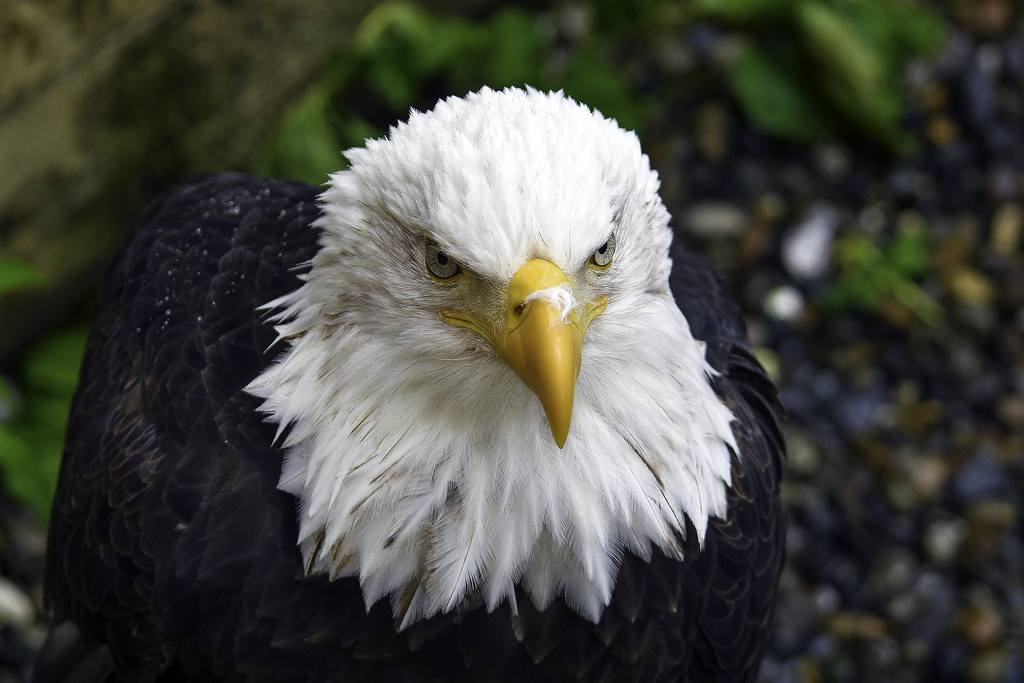
The bald eagle, a North American bird of prey, is part of the Haliaeetus genus and has a distinctive white head. Endemic to North America, it has two subspecies and is known for its large nest and varied diet. These eagles mate for life, have an average lifespan of 20 years, and face predators such…
-
Snowshoe Hare

The snowshoe hare, scientifically known as Lepus americanus, is found in North America. They have distinctive large hind feet and are known for their ability to blend in with the environment by changing fur color. Snowshoe hares have specific breeding seasons and are preyed upon by various predators, requiring dense foliage for survival.
-
Kodiak Bear
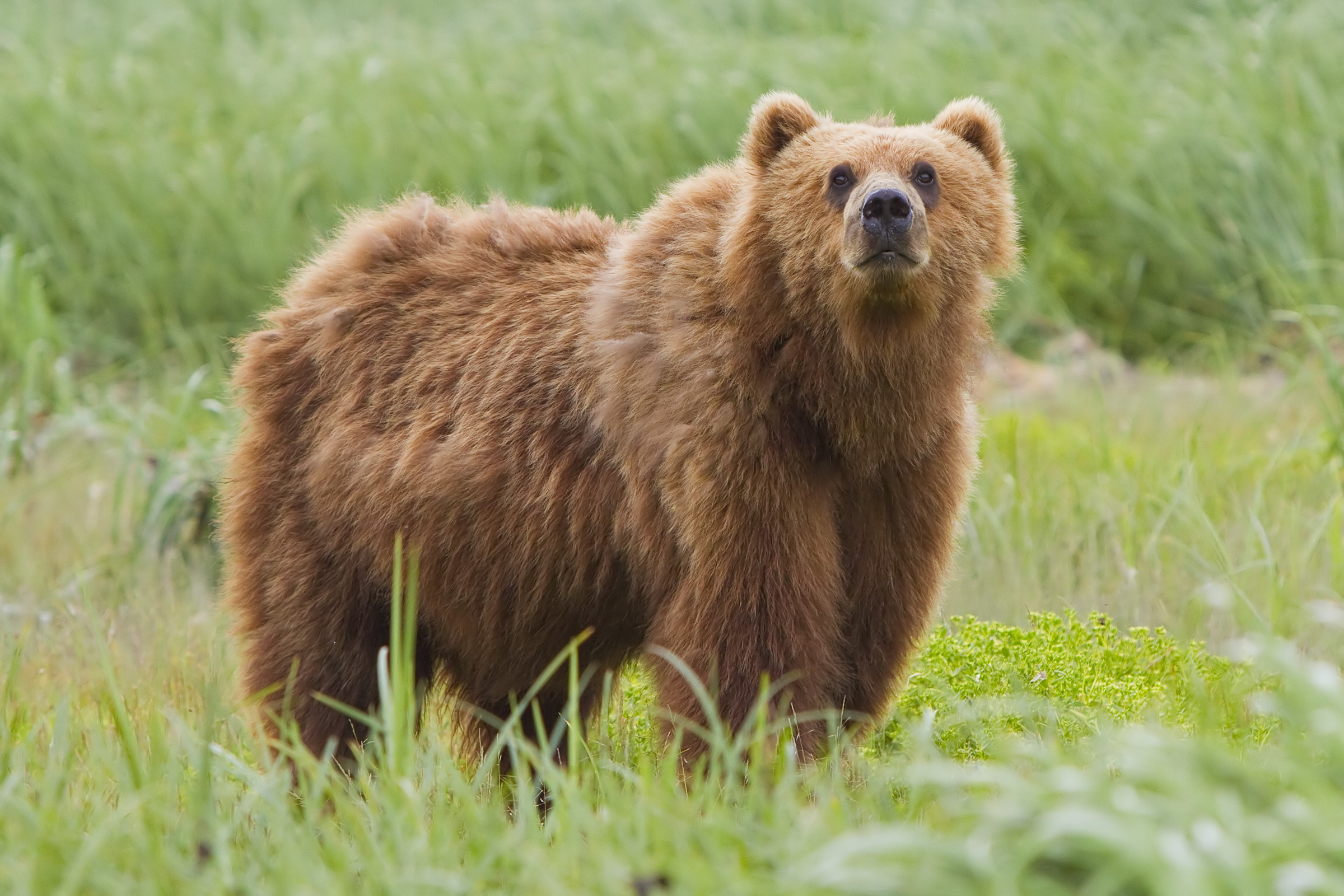
The Kodiak bear, a subspecies of brown bear, can be called a grizzly or Alaskan brown bear. They are twice the size of grizzlies, and the largest recorded weighed 1656 pounds. Found primarily in the Kodiak Archipelago, their population has grown to 3500. They mate monogamously and can form feeding groups while avoiding humans.
-
European Rabbit

The European rabbit, originally from France, the Atlas Mountains, and the Iberian Peninsula, lacks a native English name. They thrive in short grasslands with hideouts and burrows, and are characterized by their size, fur, and mating habits. Their diet consists of leaves, grass, bark, and berries, and they face threats from various predators.
-
Wild Boar

The wild boar, native to North Africa and Eurasia, has been introduced to North America and Oceania. Sixteen subspecies are split into four regional groups, each with distinct characteristics. The stout animals are omnivores and social, with females dominating the groups. Adult males can mate with multiple females during the November to January breeding season.