
Category: Nature
-
Alligator
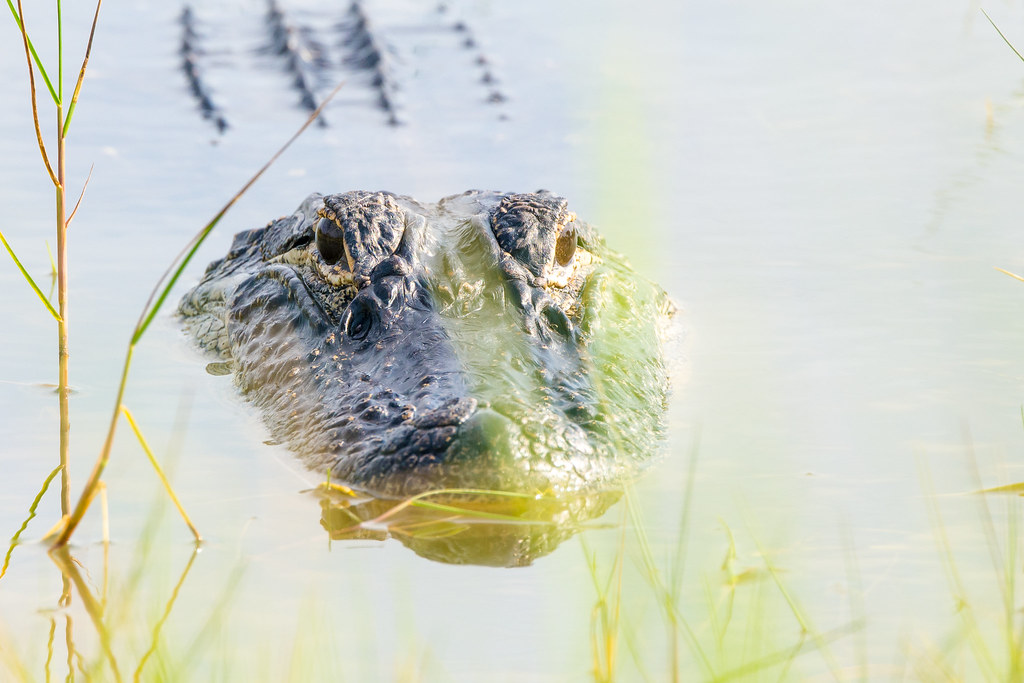
Alligators, members of the Alligator genus, have been around for over 95 million years. They are not crocodiles and are found in China, Mexico, and the United States. They play a crucial role in their ecosystems, but the Chinese alligator is endangered with less than fifty left in the wild. Alligators are essential for maintaining…
-
Tiger
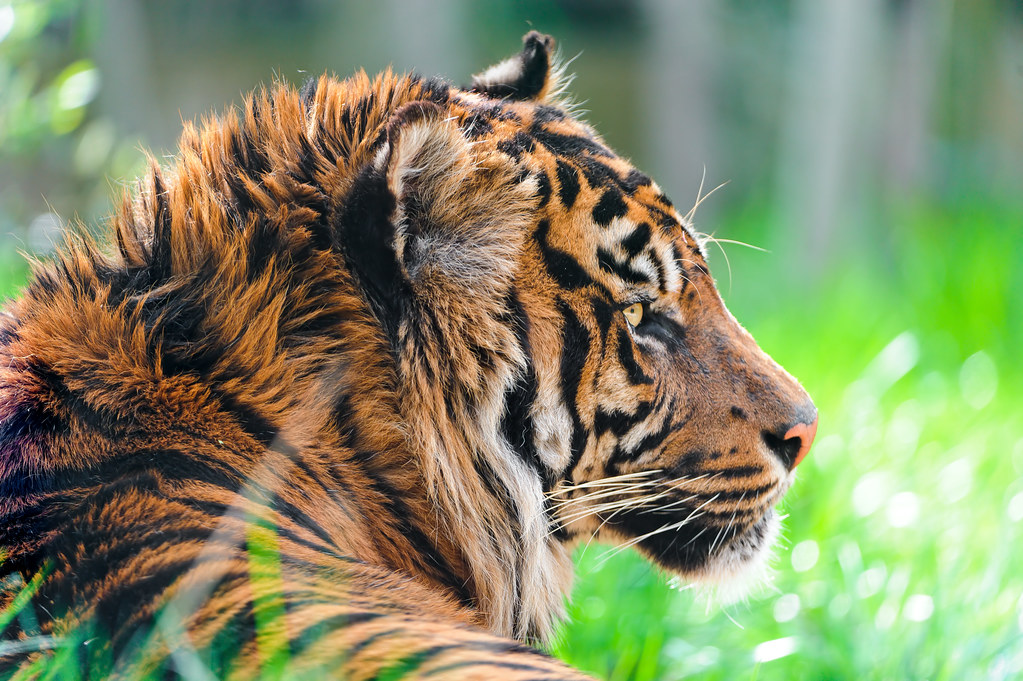
Tigers, a member of the Panthera genus, are the world’s largest cat species. They are endangered, with three extinct and six remaining subspecies. Tigers come in three colors – white, yellow, and stripe-less snow white. They are nocturnal hunters, preferring large to medium-sized mammals as prey. Cubs are born in mid to late Spring, and…
-
Zebra

Zebras, native to Africa, are known for their distinctive black and white stripes and are often referred to as the natural referees of the wild. The name “zebra” originated from the Portuguese word “zebro”, and they are part of the Equus genus along with horses and donkeys. Various hypotheses exist to explain the purpose of…
-
Penguin
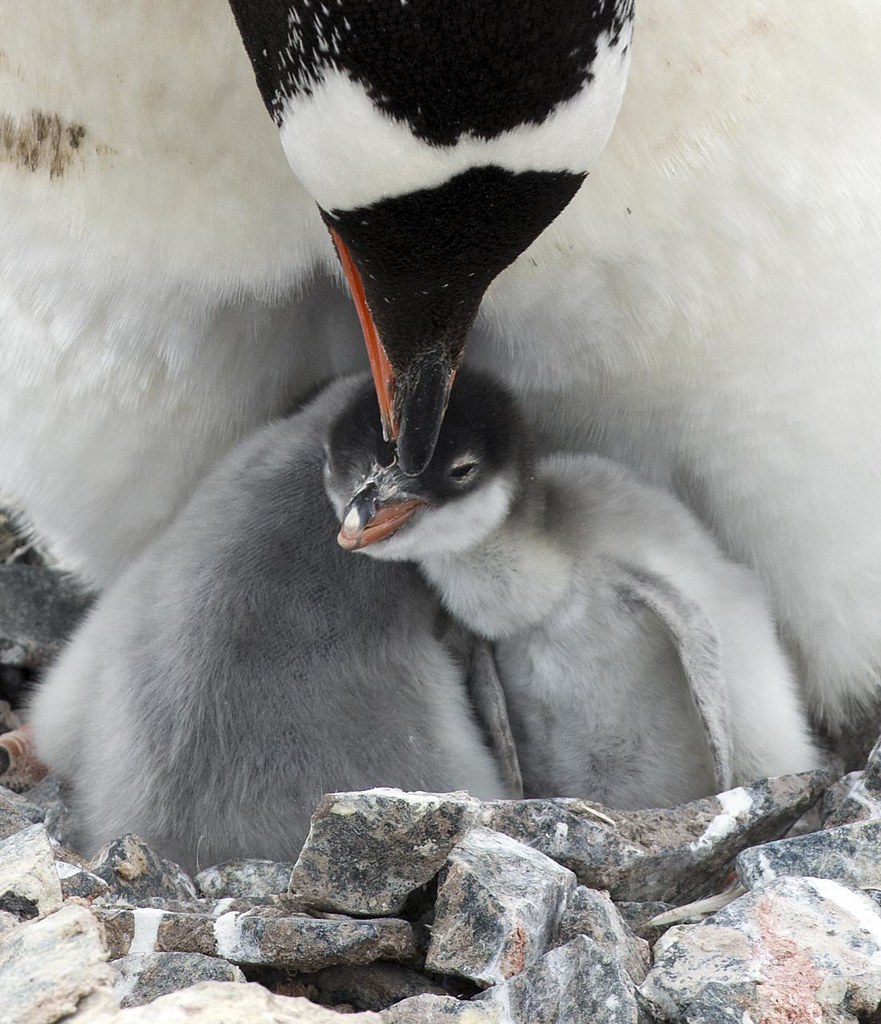
Penguins, known as pengwins, are skilled swimmers but cannot fly. They have evolved to survive in cold conditions, with unique adaptations for swimming and thermal regulation. Penguins can thrive in harsh conditions, breed in various colonies, and are found in diverse habitats in the Southern Hemisphere, exhibiting fascinating social structures.
-
Dolphin

Dolphins are highly intelligent aquatic animals, with 40 species falling under the Infraorder Cetacea. They have torpedo-shaped bodies, spade-shaped teeth, and thick blubber for insulation. Their communication is through sounds and cultural behaviors, and they form strong social bonds within pods. Their diet consists of squid and fish, and they are strategic hunters.
-
Sloth

Sloths, part of the Xenarthra Superorder, are slow, loyal, and have poor eyesight and hearing. Their slow digestive process and special bacterium help them process their low-nutrient diet. They host algae and arthropods in their fur, and have unique bathroom habits. Sloths have a solitary lifestyle and reproduce once a year.
-
Bluebonnet

The bluebonnet, Texas state flower, has six variations under the Lupinus genus. It became the state flower in 1901 and includes all derivatives. Bluebonnets require specific conditions to grow. Efforts have also been made to breed different colors, resulting in the rare pink bluebonnet named “Abbot Pink” in honor of the project’s founder.
-
Black Widow

The black widow, a part of the Latrodectus genus, includes brown and black variants with potent neurotoxic venom causing the illness latrodectism. Bites cause localized pain, sweating, and muscle pain, with some leading to severe symptoms lasting up to a month. While antivenom is available, deaths are rare and the spiders are not aggressive unless…
-
Grizzly Bear
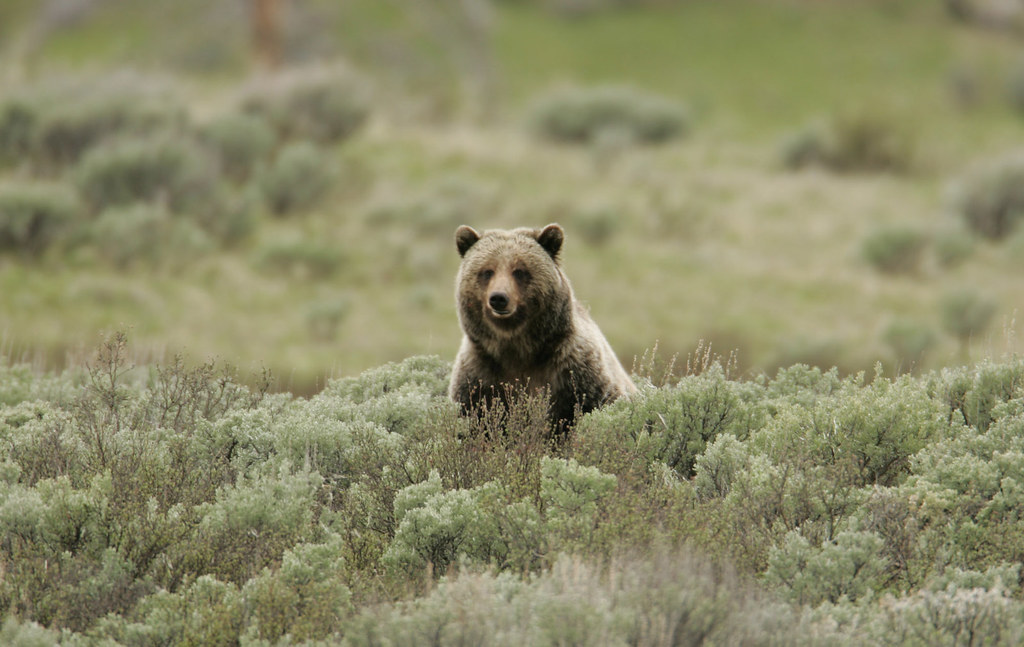
The grizzly bear, also known as the North American brown bear, is found in North America as a subspecies of the American brown bear. They have different populations, with about 55,000 in North America, mainly in Alaska. Grizzlies are large and primarily omnivorous, with a diet of meat and plants. They are solitary animals, except…
-
Panda Bear

The giant panda, also known as the panda bear, primarily feeds on bamboo despite being classified as a carnivore. They have unique digestive capabilities allowing them to survive on bamboo. Giant pandas are solitary animals, with distinct territories and limited social interaction. They are currently a vulnerable species due to habitat loss and low birth…