
Category: Nature
-
Emu
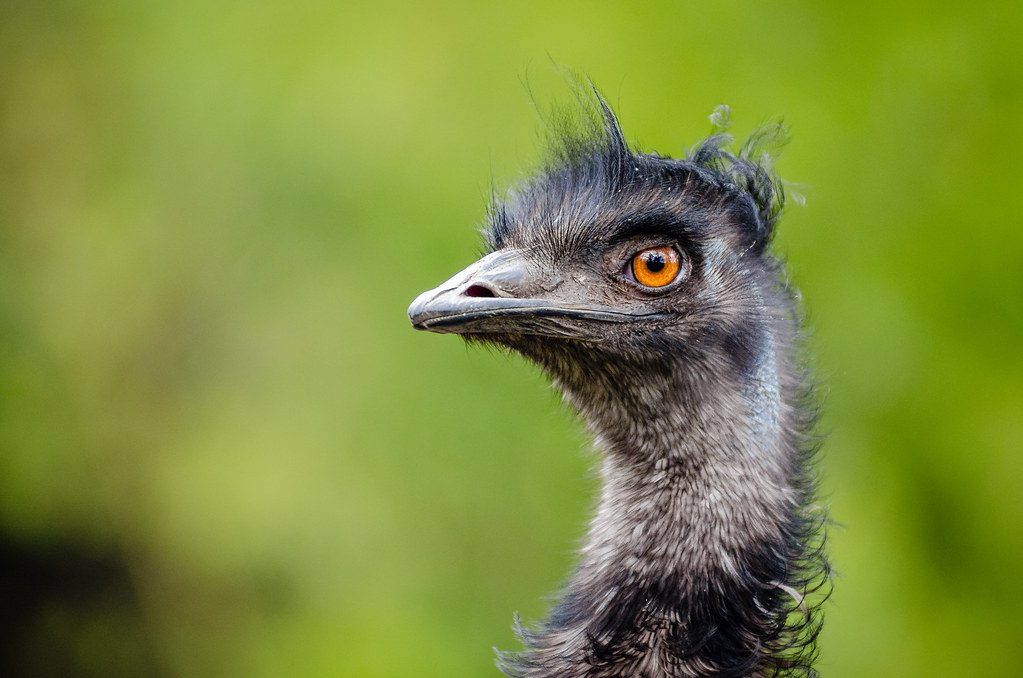
The emu, a flightless bird from Australia, is the second tallest living bird and has three extinct subspecies due to European colonization. The origin of the word “emu” is uncertain, but the birds have distinct characteristics, diet on plants and insects, and reproduce through aggressive courtship, laying large eggs. These birds serve a crucial role…
-
Domestic Goat
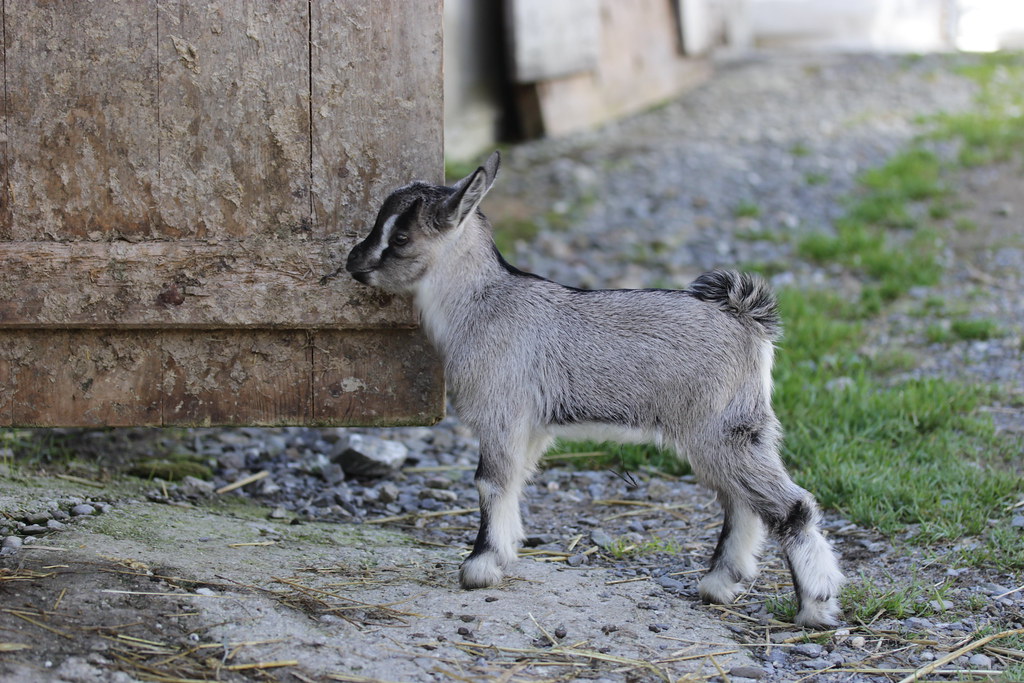
Goats, from the Capra Genus, were domesticated over 10,000 years ago in Iran. They have varying horn numbers, 4-chambered stomachs and horizontal pupils. They eat shrubs and are agile climbers. Males come into rut to mate and goatopias exist in some places. Goats have a life expectancy of 15-18 years and are classified into meat,…
-
Fox Squirrel

Fox squirrels, also known as Bryant’s fox squirrels, live in the eastern US and parts of Canada. They prefer open forests with trees like pecan, pine, walnut, hickory, and oak. These non-territorial creatures are diurnal, spend time on the ground, and make nests in tree cavities or leaf nests. They consume a varied diet and…
-
Orca
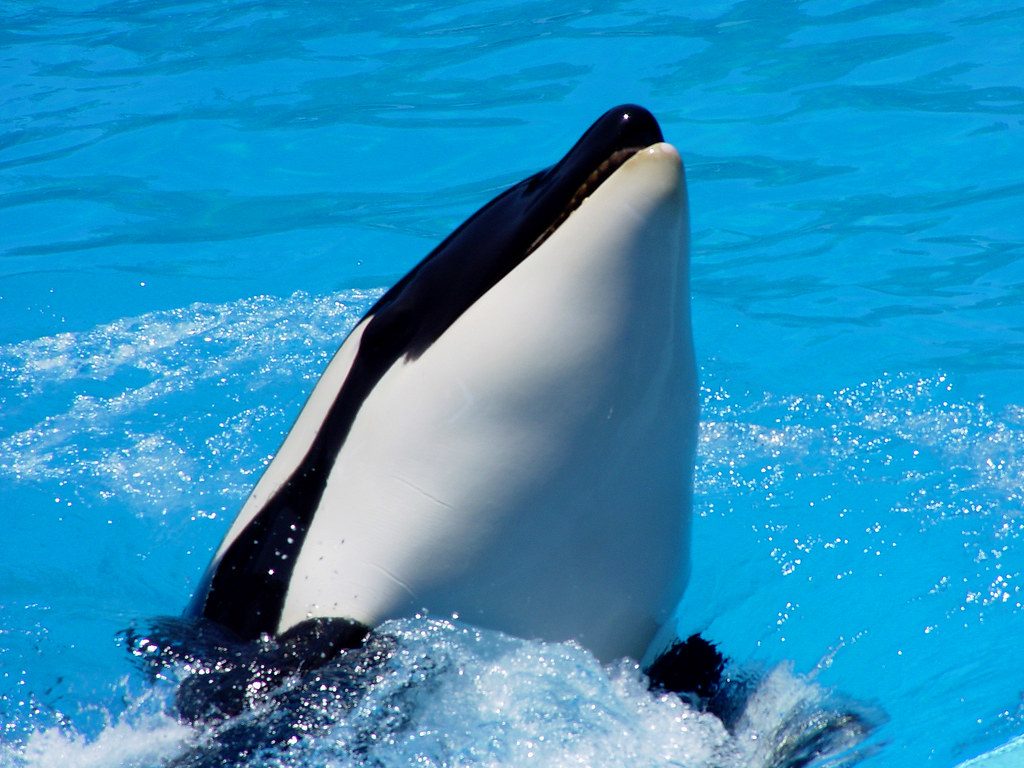
Orcas, also known as killer whales, are the largest members of the oceanic dolphin family and apex predators found in all oceans. They have unique populations, such as the Antarctic orcas, and exhibit complex social behavior. Female orcas can live up to ninety years and undergo menopause, a rarity in the animal kingdom. Their population…
-
Common Ostrich

The ostrich, a flightless bird native to Africa, is the world’s largest and fastest two-legged animal. It lives in savannas and deserts, consuming a diet of seeds, plants, and occasionally small animals. Ostriches travel in pairs or alone, and they have several predators. During mating season, their elaborate mating dance and communal nest-building behavior are…
-
Green Sea Turtle
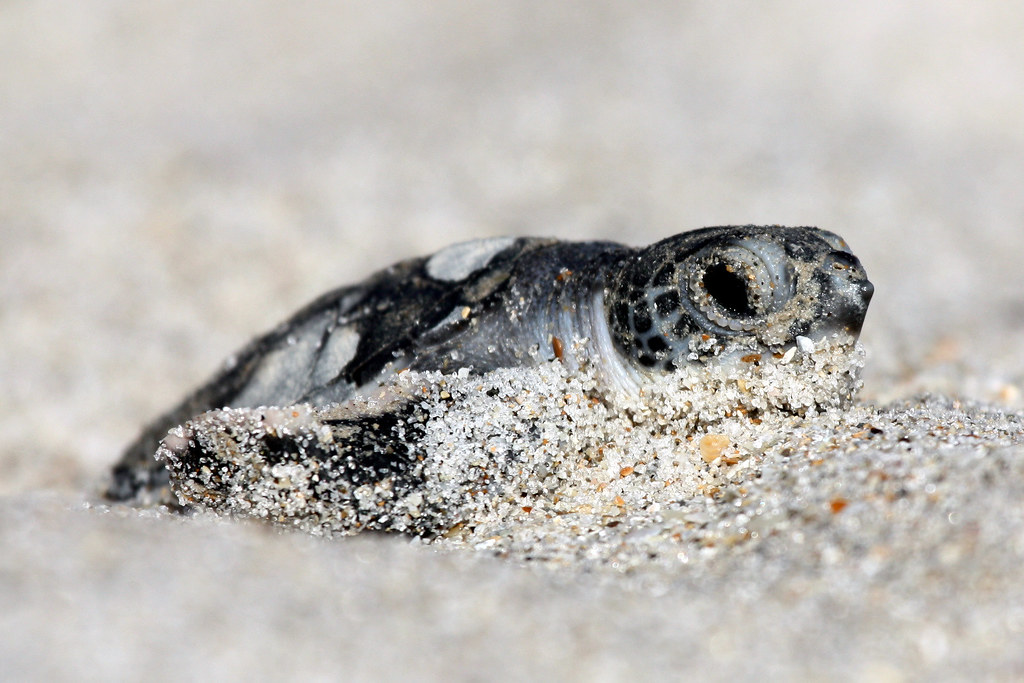
The Green Sea Turtle (GST) belongs to the Cheloniidae family, with the scientific name Chelonia mydas. They are named for the color of the fat under their shell. GSTs can grow up to five feet long, with a diet ranging from carnivorous to herbivorous. Their great migration to nesting sites is crucial for their survival.
-
Moose

The moose, also known as elk in Eurasia, is the heaviest and largest deer species. Their name “moose” originated from the Algonquian language and varies in different regions. Moose are solitary herbivores, consuming up to 70 pounds of food daily. They have few predators and reproduce during the rutting season, giving birth to single or…
-
Impala
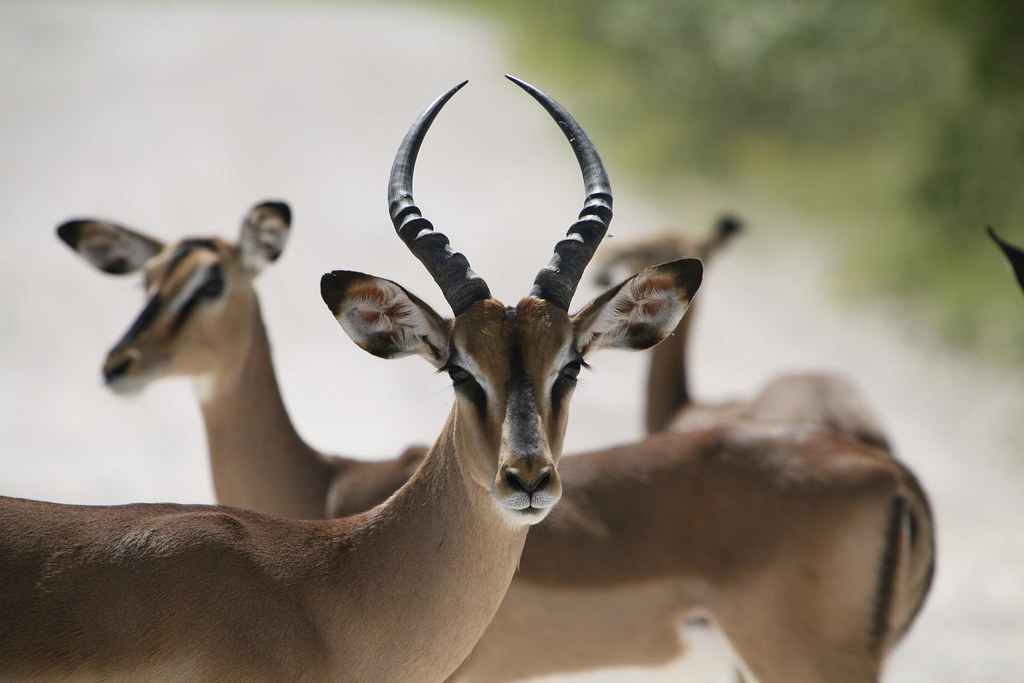
The impala, a slender antelope native to Africa, belongs to the Aepyceros genus of the Bovidae family. First documented in 1812, it exhibits distinct features such as lyre-shaped horns on males and a unique coat. Impalas feed on a variety of plants, and their social structure consists of three main herds. With a vulnerable black-faced…
-
Raven
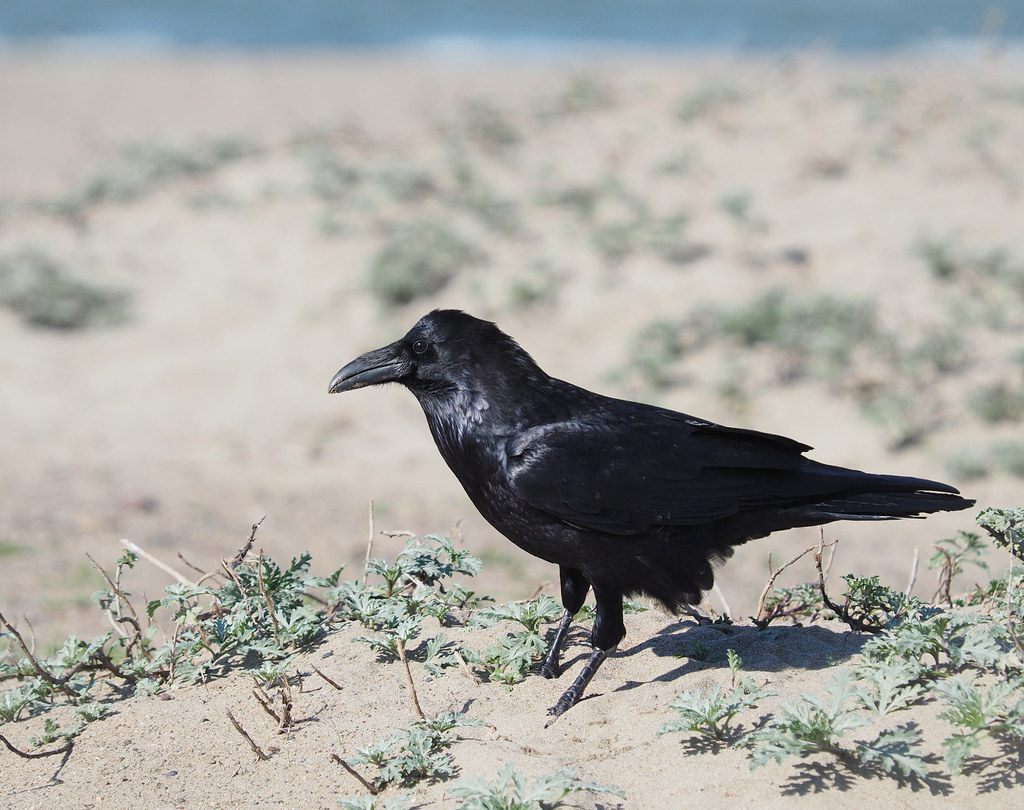
Common ravens, found throughout the northern hemisphere, are members of the Corvus genus and are closely related to crows and rooks. With eight identified subspecies, they are known for their black plumage and varied diet. They have distinct vocalizations and are highly intelligent, with a lifespan of over 15 years in the wild.
-
Coyote
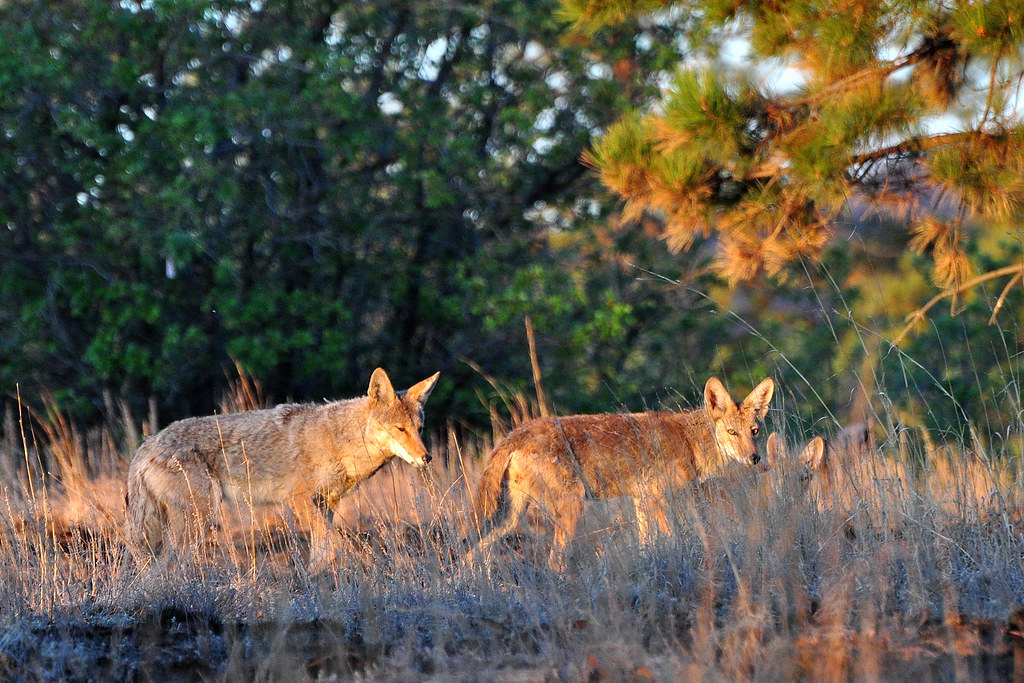
Coyotes, part of the Canis genus, are native to North America with 19 recognized subspecies. Their average weight ranges from 18 to 45 pounds with red and light gray fur. They predominantly consume meat but also eat fruits and vegetation when necessary. Hunting in packs, they display monogamous behavior and have a gestation period of…