
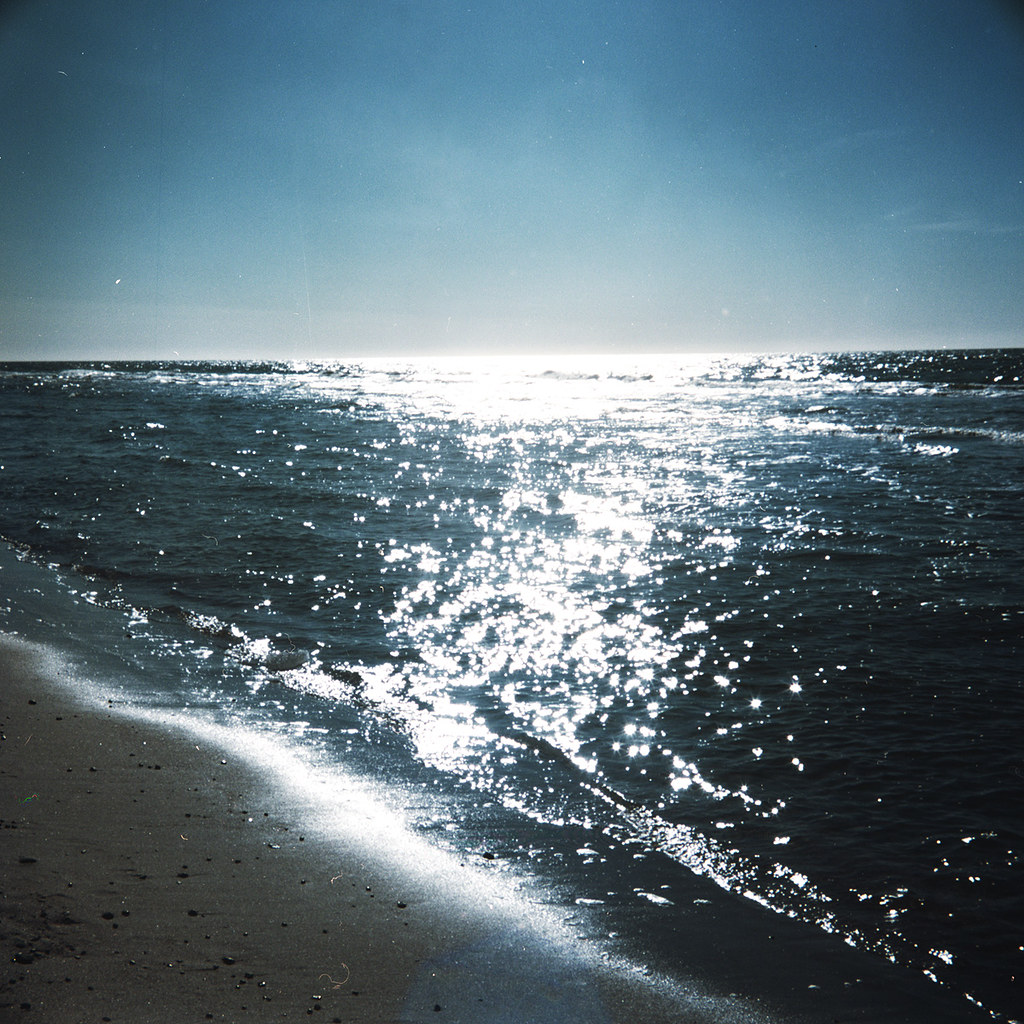
The Old Man and the Sea is a novella by Ernest Hemingway. It is his response to the negative reception of Across the River and Into the Trees. The manuscript was finished in six weeks between December 1950 and February 1951. It was published by Charles Scribner’s Sons in 1952 and met with rave reviews. The Old Man and the Sea won the Pulitzer Prize for Fiction in 1953 and remained on the New York Times bestseller list for half a year.
Santiago is a fisherman. He is old and has not a caught a fish in eighty-four days. Manolin is a boy that fished with the old man for the first forty days of his drought. He leaves to work on a more profitable boat. Some days go by and Manolin returns to visit Santiago. The two reminisce about their previous partnership. Manolin offers his mentor fresh bait. The old man accepts.
The pair talk about baseball and prepare for the morning. The boy leaves and the man drifts into sleep. He dreams of lions and Africa. He wakes before sunrise and goes to Manolin. The fisherman drink coffee and prepare to face the endless expanse of the sea. The old man rows into deep waters. Flying fish pass above. He sets his lines with expertise. The sun heats the day. He catches a small tuna. The shore is far away. The color green is absent from the horizon.

The Sea
A marlin plays with the bait. It snags the line after some time. The fish is large and drags the old man further into the sea. They exchange blows. Neither give in. The struggle continues all night. The boat travels as the tension in the line is monitored. Any more and it will snap. Any less and the fish could escape. Santiago sighs and hopes that it will jump. The closer it moves to the surface the better. Seaweed clumps on the line and helps slow the battle. The old man announces his respect for the fish, but vows to kill it.
A bird lands on the skiff. The marlin moves. The line does too. The old man is almost jerked overboard. He steadies the line. His worn hands are bleeding. They begin to cramp. He eats the tuna to regain his strength. Frustration and anger creep into his veins. The food helps. He is alone and contemplates the vast waters. Ducks soar by. The old man decides isolation is impossible in the ocean. The marlin leaps into the sky. It is the biggest Santiago has seen.
The line races back out. The hands uncramp and the old man prays for prosperity. The next day his thoughts turn to baseball and DiMaggio. He wonders if the Yankee Clipper would stay with the marlin. The blanket of night drapes the boat. The stars are bright. Santiago decides to rest and places the line across his back. Two hours later he eats and decides to sleep as the fish is quiet. He dreams of whales. He dreams of lions and Africa. The beach.

Old Man
The line jerks. The old man awakes after smashing into the boat. He makes corrections and wishes he had Manolin’s assistance. The marlin surfaces again and again. Hours pass as the line is pulled in. The old man tires as the fish circles. The marlin reaches the side of the boat and is greeted with a harpoon. The spear enters the fish. It dies. Blood recolors the waves. The prize is fastened to the edge of the skiff. The old man looks at his hands. They are eviscerated. The return journey begins.
Sharks appear. They attack. Santiago fastens his blade to his oar and kills the mako. He loses a large portion of the marlin. More sharks arrive. They are killed. More fish is lost. The knife is too. Two sharks swim close. They kiss the boat and eat the masticated marlin. The old man is left with a club. He beats them away. A pack of sharks appear. The stars are gone. He fights his opponents through sound. His weapon splinters against the predator’s jaw. The fragment is plunged into wet flesh. The shark leaves. The marlin is a skeleton. Darkness, rubber and depression. The old man spits blood into the froth.
He is numb as he steers the boat towards the harbor. It is abandoned when the skiff carves into the sand. The old man is forced to sit five times before reaching his home. He sleeps. Manolin enters the shack. Tears form at the sight of his friend’s hands. He leaves for coffee and returns to wait. Santiago opens his eyes and the two talk. Santiago says the sharks won. The boy is proud. The old man drifts back to sleep. Manolin leaves to find the papers and food. Some tourists mistake the marlin skeleton for a shark. He returns as the old man dreams of lions.

“Every day is a new day. It is better to be lucky. But I would rather be exact. Then when luck comes you are ready.”
― Ernest Hemingway, The Old Man and the Sea

4 responses to “The Old Man and the Sea”
Happy New Year!
Happy New Year!
Thank you for recapping this great tale of perseverance and human will.
You are welcome