-
Akira Kurosawa

Akira Kurosawa, a Japanese painter and director born in 1910, faced tragedy early in life. He lost his brother, adapted to changes in the film industry, and went on to create impactful films such as “Seven Samurai” and “Throne of Blood.” His later years were marred by health challenges. Kurosawa passed away in 1998.
-
For Whom The Bell Tolls

“For Whom the Bell Tolls” by Ernest Hemingway is a Pulitzer Prize-winning novel set during the Spanish Civil War. The protagonist, Robert Jordan, faces internal and external conflicts as he embarks on a mission to blow up a bridge. Betrayal, love, and sacrifice are central themes as the story unfolds tragically, culminating in a bittersweet…
-
European Rabbit

The European rabbit, originally from France, the Atlas Mountains, and the Iberian Peninsula, lacks a native English name. They thrive in short grasslands with hideouts and burrows, and are characterized by their size, fur, and mating habits. Their diet consists of leaves, grass, bark, and berries, and they face threats from various predators.
-
F. Scott Fitzgerald
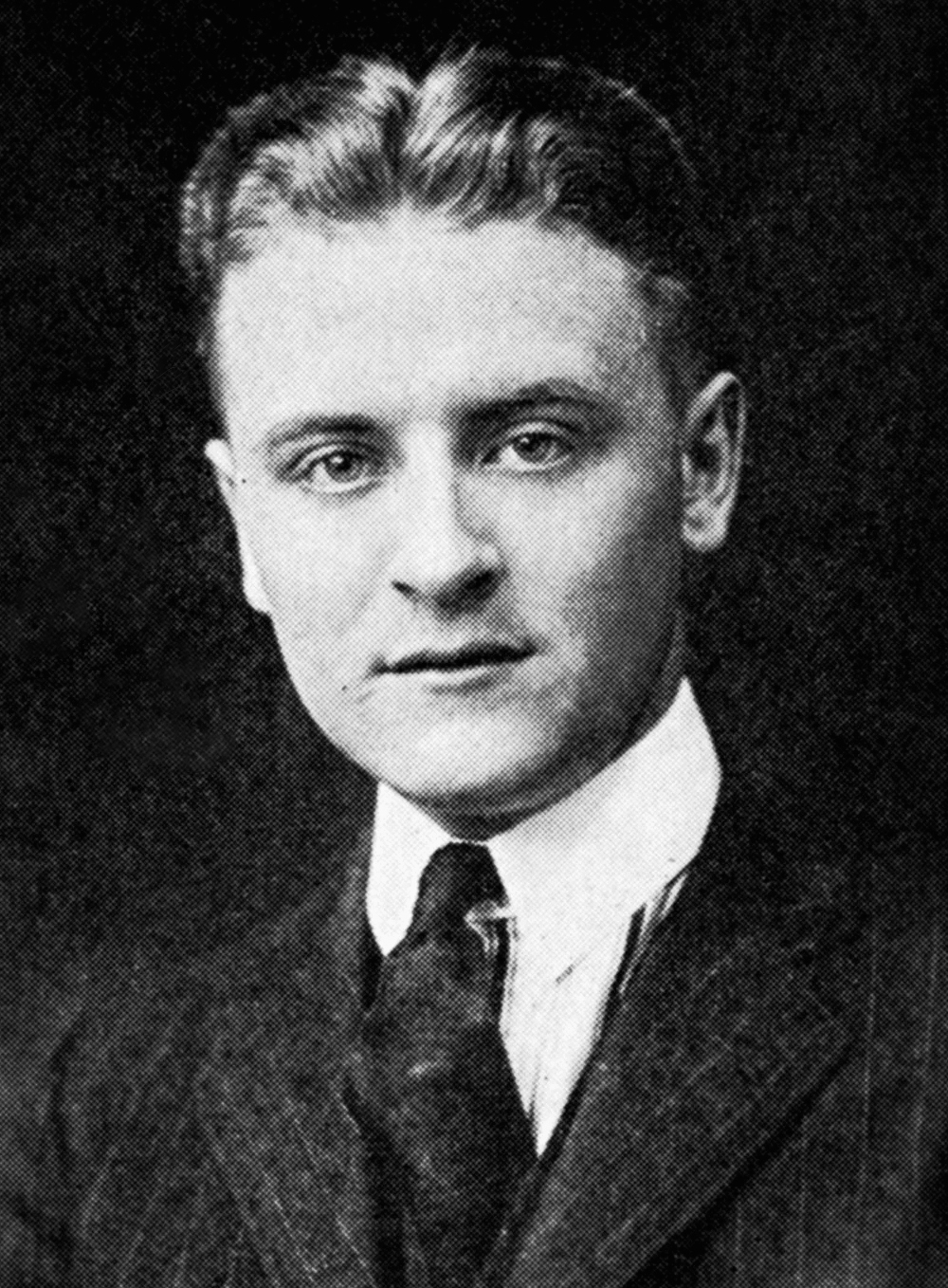
F. Scott Fitzgerald, a renowned American writer, experienced a tumultuous life filled with rejection, love, and struggle with alcoholism. Despite initial setbacks, he achieved fame with “This Side of Paradise” and “The Great Gatsby.” His marriage to Zelda faltered amidst her schizophrenia diagnosis, and he battled financial difficulties and health issues before passing at age…
-
To Have and Have Not

“To Have and Have Not” is Ernest Hemingway’s second novel, published in 1937. It tells the story of Harry Morgan, a working man struggling during the Great Depression, who resorts to smuggling and illegal activities. The novel explores themes of class struggle, moral decay, and survival. The narrative culminates in a violent and chaotic showdown…
-
Wild Boar

The wild boar, native to North Africa and Eurasia, has been introduced to North America and Oceania. Sixteen subspecies are split into four regional groups, each with distinct characteristics. The stout animals are omnivores and social, with females dominating the groups. Adult males can mate with multiple females during the November to January breeding season.
-
Paul Gauguin
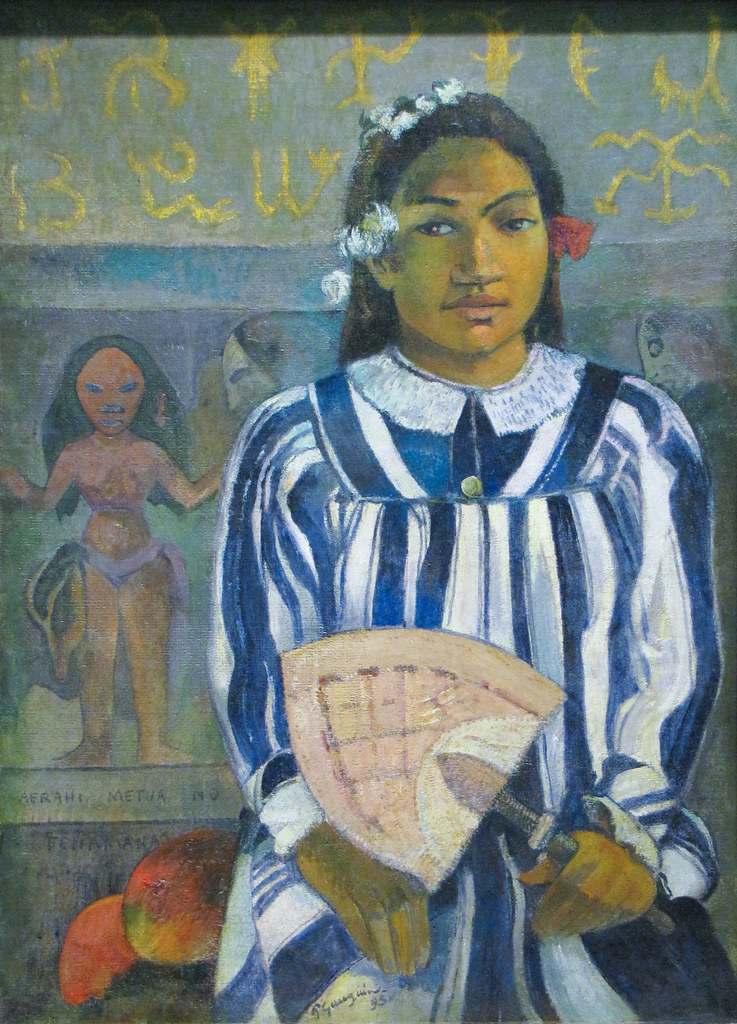
Paul Gauguin, an impressionist artist, was born in Paris, France in 1848. After a career change from stockbroker to artist, he developed his unique style, influenced by Japanese prints and folk art. He had a turbulent friendship with Vincent van Gogh before moving to Tahiti, where he created some of his finest works. Gauguin died…
-
Green Hills of Africa
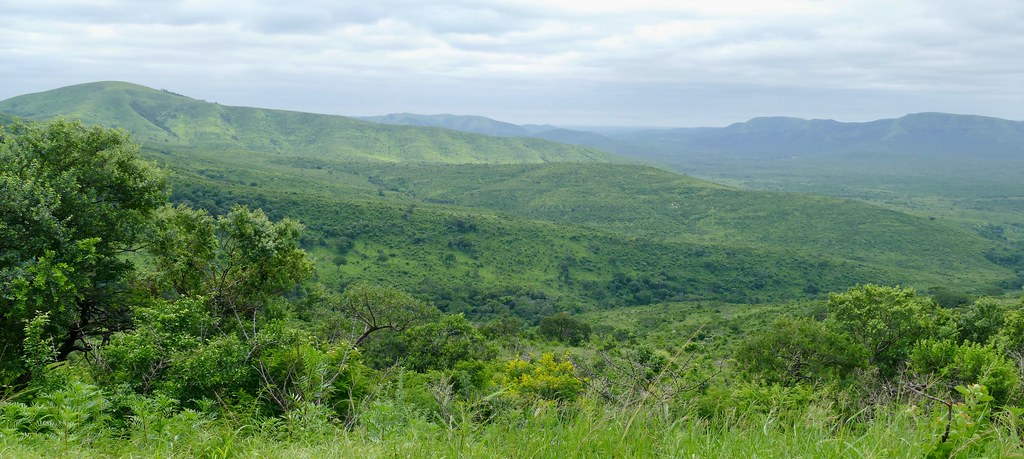
“Green Hills of Africa” is Ernest Hemingway’s nonfiction piece, published in 1935. Set in Africa, it follows Hemingway’s pursuit of a rare antelope. The narrative delves into debates on literature, hunting rivalries, and emotional struggles. Despite mixed reviews, the book’s impact on Hemingway’s mental state is evident, leading to subsequent literary works.
-
Raccoon
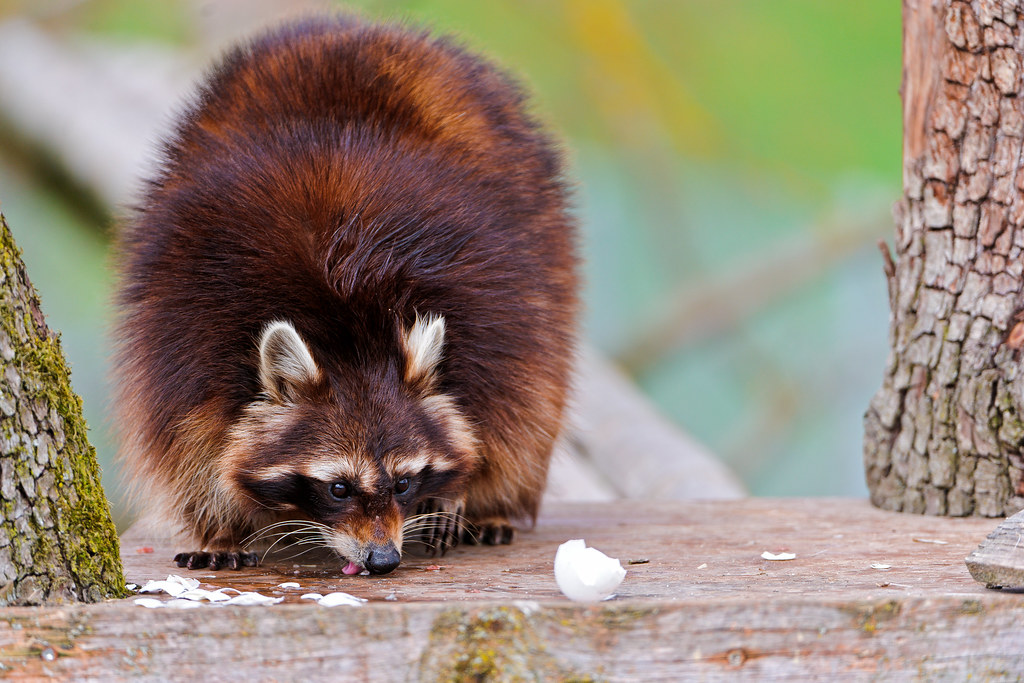
Raccoons, native to North America, have varied subspecies and can weigh between four and fifty-seven pounds. With distinct features like ringed tails and heightened senses, they are impressive climbers and capable of opening complex locks. Their omnivorous diet and mating habits also contribute to their adaptability and survival.
-
Quentin Tarantino

Quentin Tarantino, born in 1963 in Tennessee, is a renowned American director, screenwriter, and producer. His notable works include “Pulp Fiction,” “Kill Bill,” and “Inglourious Basterds.” Known for his unique storytelling and cinematic style, he has received numerous accolades and continues to make a mark in the film industry. Tarantino plans to potentially retire after…

Unclearer
Enjoyable Information. Focused or Not.