-
Siberian Tiger
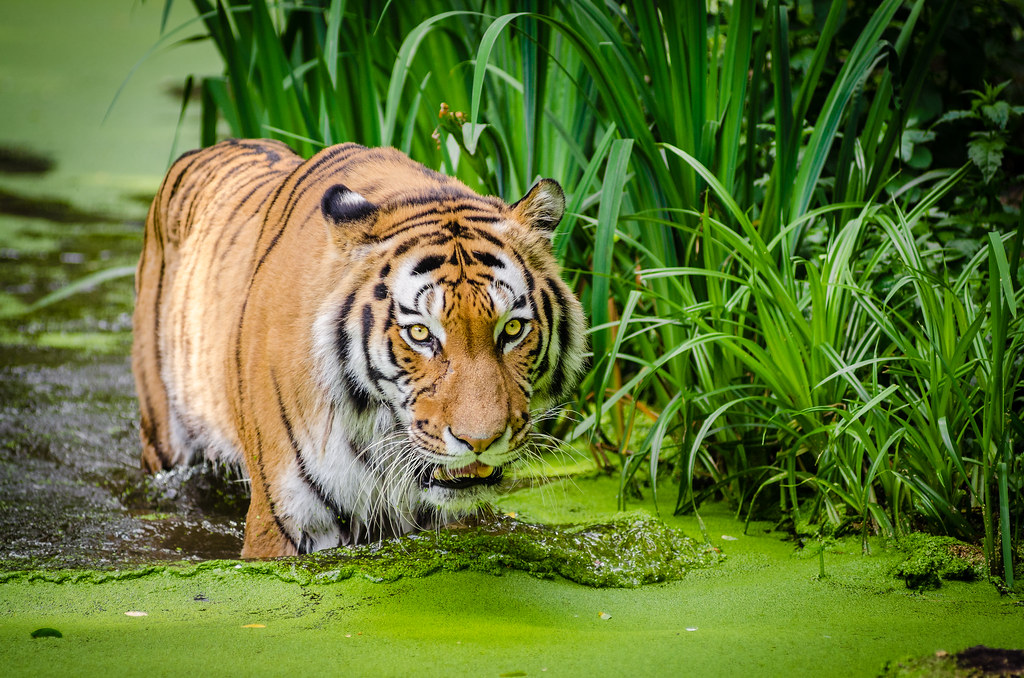
The Siberian tiger, the largest living cat, thrives in the temperate forests of the Russian Far East, relying on patience and adaptability for survival. Known scientifically as Panthera tigris altaica, it exhibits characteristics shaped by harsh climates. Essential adaptations, behaviors, and ecological interactions drive its solitary existence and territorial dynamics within fragmented habitats.
-
The Road

“The Road,” written by Cormac McCarthy and adapted into a film tells the story of a father and son in a post-apocalyptic world. Sometimes it gets boring and sometimes is does not get boring. That is the fate of the road and the fate of mankind.
-
Gertrude Stein

Gertrude Stein, an American art collector, poet, and writer, led a remarkable life from her birth in Allegheny, Pennsylvania, in 1874, to her influential presence in the art world and her literary achievements. Her legacy lives on, marked by her wide-ranging impact on art, literature, and culture, as well as her enduring partnership with Alice…
-
Brown rat
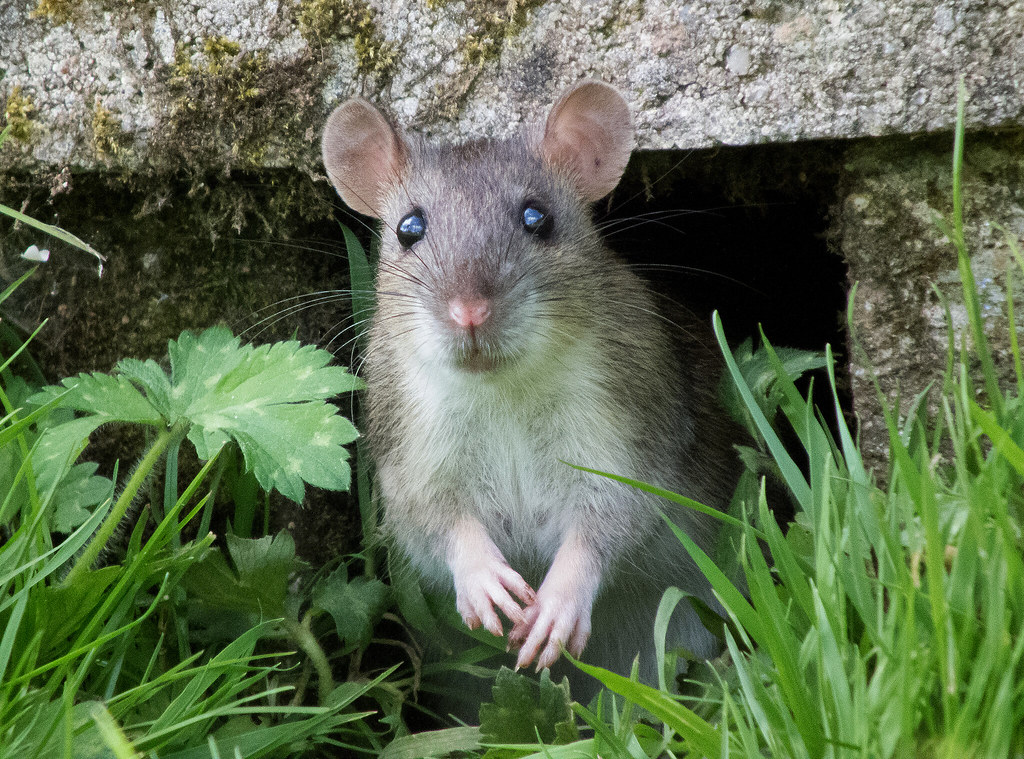
The brown rat, also known as the common, sewer, street, wharf, or Norwegian rat, has origins in China, not Norway. They have a keen sense of smell and hearing, unique vision, and exhibit complex behaviors such as laughter-like vocalizations. These proficient diggers and prolific breeders are true omnivores, facing natural checks on their rapid proliferation…
-
No Country for Old Men
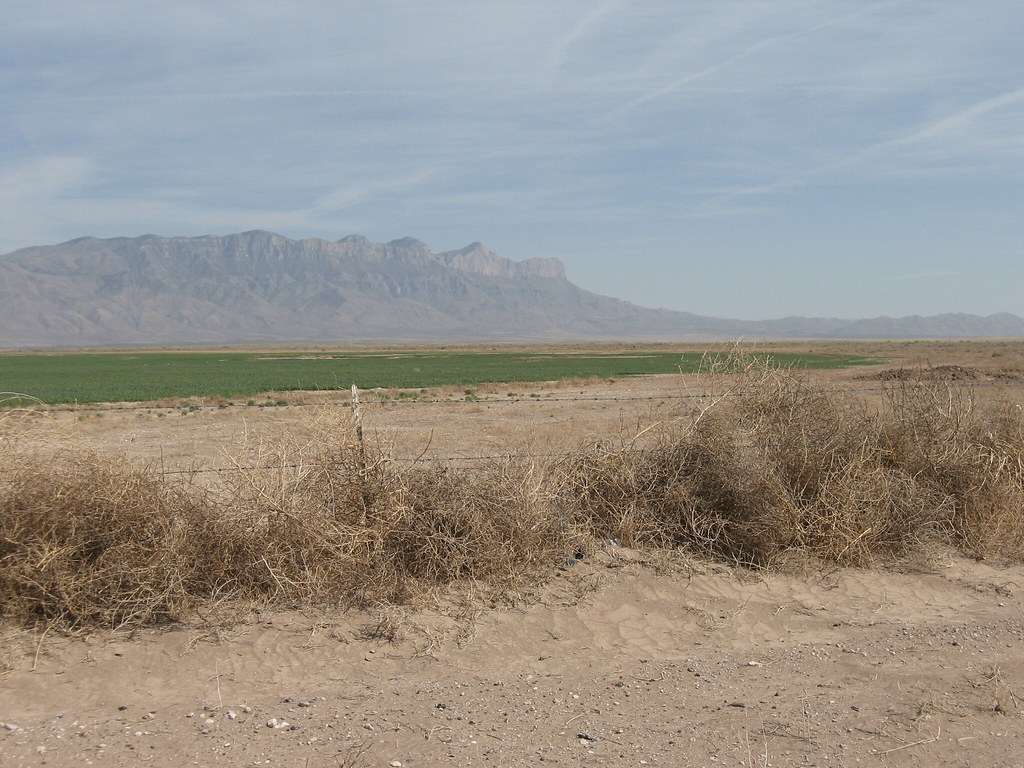
“No Country for Old Men,” written by Cormac McCarthy and adapted into a film by the Coen brothers, follows the intertwined lives of Chigurh, Moss, and Bell. With intense violence and pursuit of stolen money, the characters’ paths intersect in a gripping tale of fate and morality, culminating in Chigurh’s ruthless actions and Bell’s retirement…
-
Bald Eagle
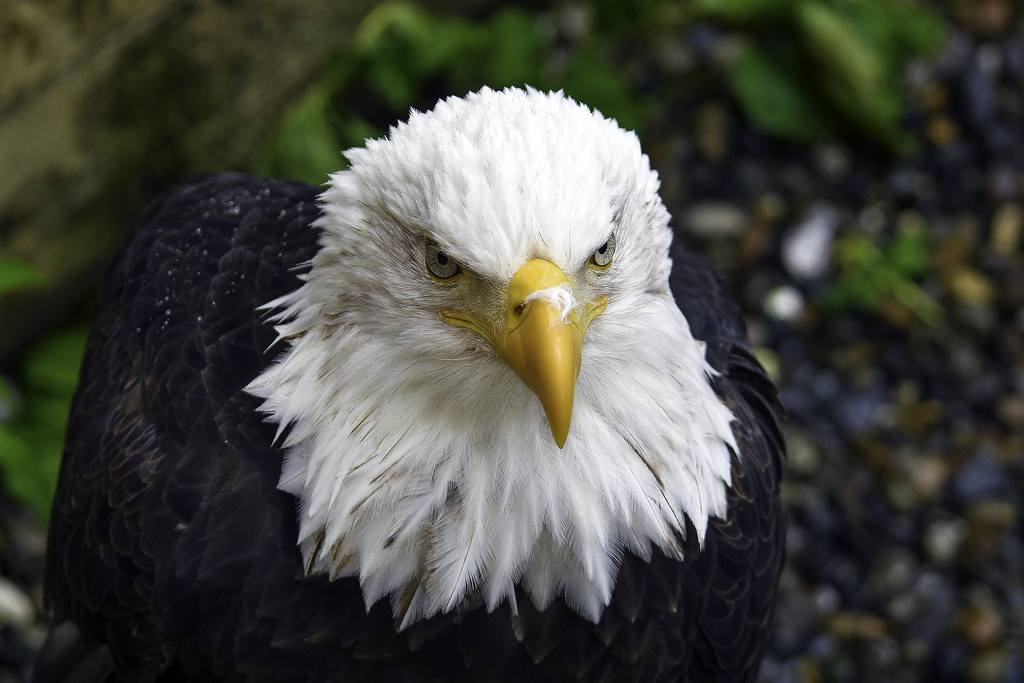
The bald eagle, a North American bird of prey, is part of the Haliaeetus genus and has a distinctive white head. Endemic to North America, it has two subspecies and is known for its large nest and varied diet. These eagles mate for life, have an average lifespan of 20 years, and face predators such…
-
Philip Seymour Hoffman

Philip Seymour Hoffman, born in 1967, was an American actor who gained fame through his intense passion and exceptional performances. After a successful career in various films, he tragically passed away in 2014 at the age of forty-six due to substance abuse. His impactful legacy continues to influence the world of acting and cinema.
-
The Old Man and the Sea
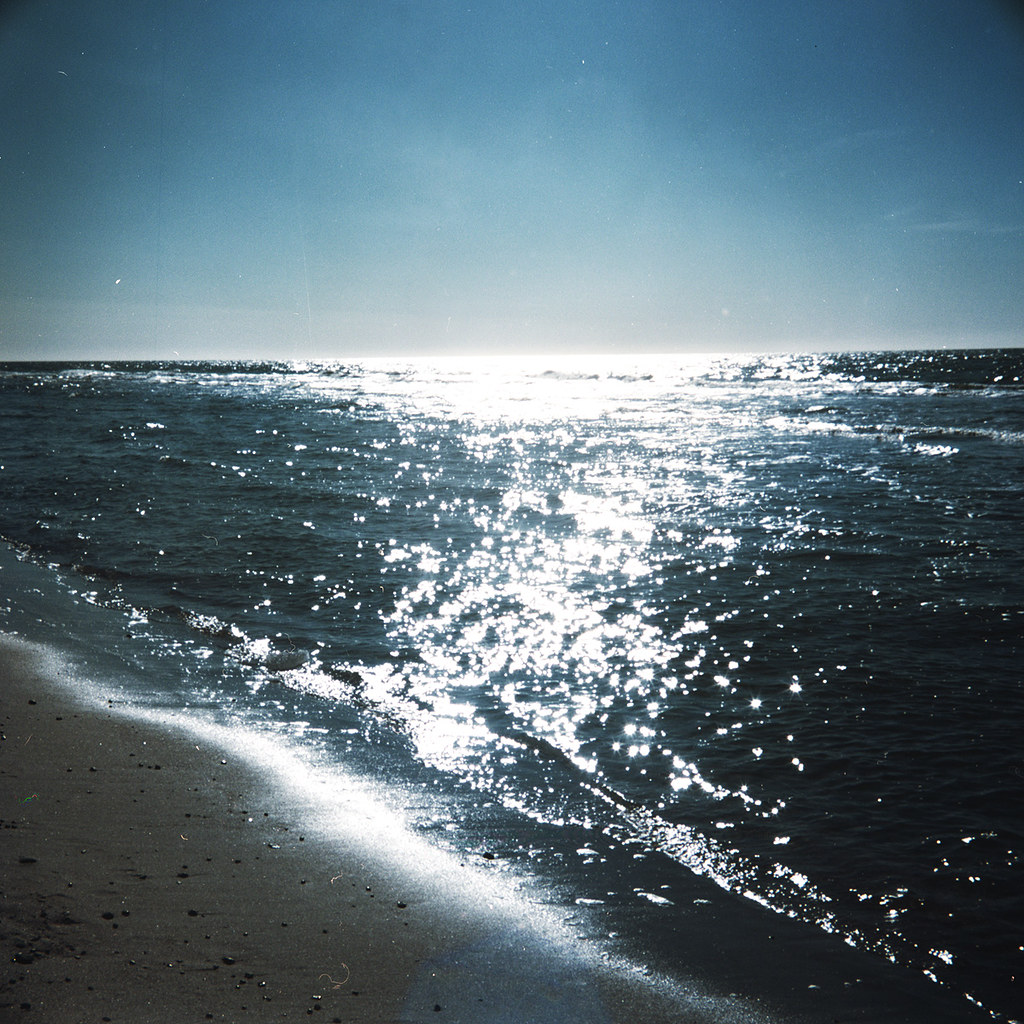
Ernest Hemingway wrote The Old Man and the Sea as a response to negative reception of a previous work. Step into the journey of this Pulitzer Prize winning work to read about Santiago, a determined old fisherman, and Manolin, his young companion.
-
Snowshoe Hare

The snowshoe hare, scientifically known as Lepus americanus, is found in North America. They have distinctive large hind feet and are known for their ability to blend in with the environment by changing fur color. Snowshoe hares have specific breeding seasons and are preyed upon by various predators, requiring dense foliage for survival.
-
Richard Neutra

Richard Neutra, an Austrian-American architect, was born in Vienna in 1892. He studied in Vienna and abroad, then moved to the United States in 1923. He worked for Frank Lloyd Wright and later formed his own practice, renowned for his International Style architecture. Neutra passed away in 1970, leaving a legacy of innovative designs.

Unclearer
Enjoyable Information. Focused or Not.